Articles
Practical, company-style articles on cocoa powder types, specifications, applications, and quality considerations.
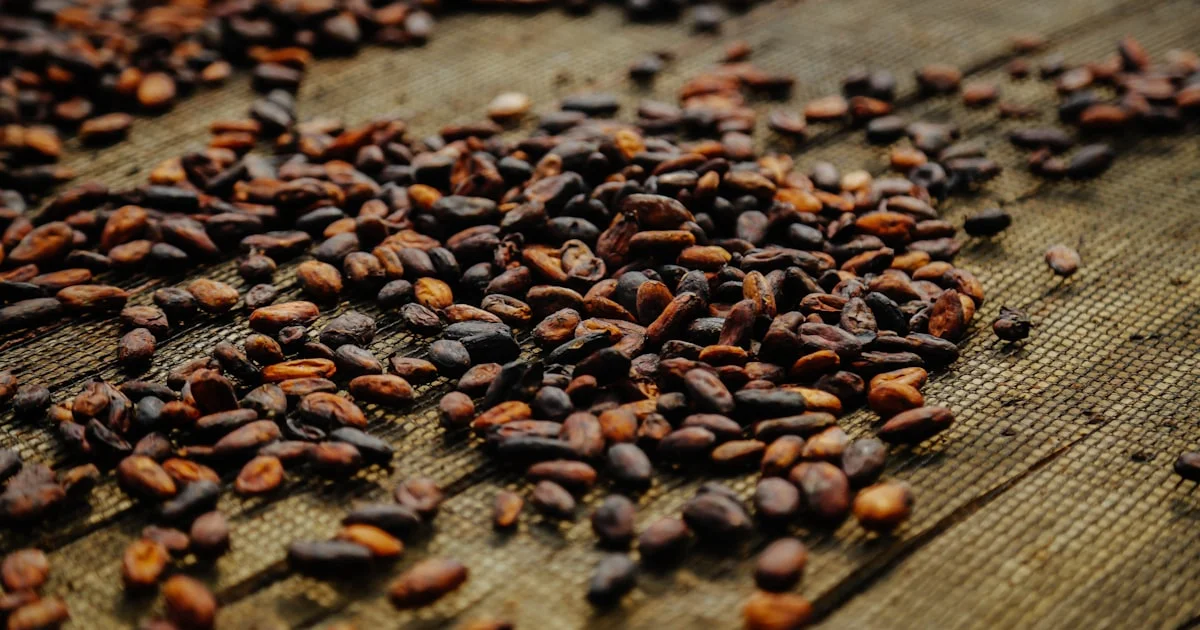
The Future of Indonesian Cocoa Powder in Global Export Markets
How Indonesia's cocoa processing sector is positioned in global export markets, the strengths it brings, and the trends shaping its future.

Onboarding a New Cocoa Powder Supplier: A Practical Checklist
A structured checklist for qualifying and onboarding a new cocoa powder supplier, covering samples, documentation, audits, and trial orders.

Negotiating Minimum Order Quantities and Pricing With Cocoa Suppliers
How minimum order quantities and pricing work in cocoa powder supply, and how buyers negotiate terms that balance cost, flexibility, and risk.

Sampling and Pre-Shipment Inspection of Cocoa Powder
How sampling and pre-shipment inspection protect cocoa powder buyers, what is checked, and how to build inspection into the purchase agreement.

Customs Clearance and Tariffs for Imported Cocoa Powder
What importers need to know about customs clearance, tariff classification, and documentation when bringing cocoa powder across borders.

Container Loading and Sea Freight for Cocoa Powder Exports
How cocoa powder is loaded and shipped by sea, the protection it needs from moisture and heat, and what buyers should confirm before shipment.

Lead Times and Production Planning for Cocoa Orders
Why cocoa powder lead times matter, what drives them, and how buyers plan orders to avoid stockouts without overcommitting working capital.

Understanding Cocoa Futures and Market Indicators
What cocoa futures markets are, how they signal price direction, and which indicators cocoa powder buyers should watch to inform purchasing.

Forward Contracts and Hedging for Cocoa Buyers
An introduction to forward contracts and hedging concepts for cocoa buyers, how they reduce price risk, and the trade-offs involved.

Managing Cocoa Price Volatility in Procurement Contracts
Why cocoa prices swing, how volatility flows through to cocoa powder costs, and contract structures buyers use to manage the risk.
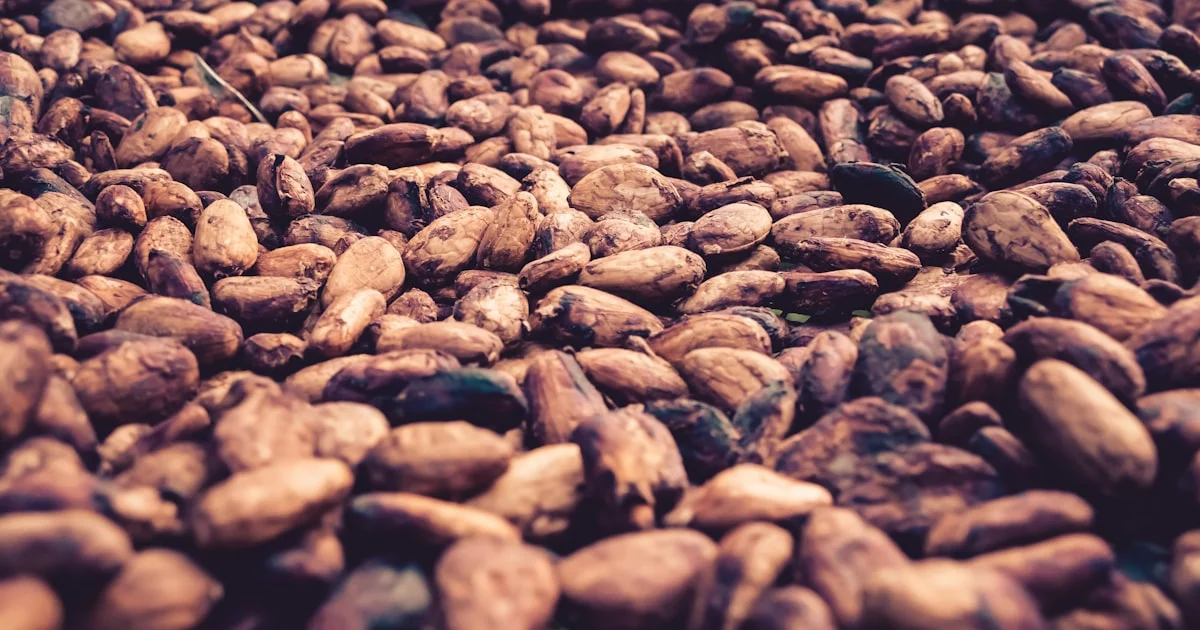
Sustainable Cocoa Sourcing: Going Beyond Certification
What genuine sustainability in cocoa sourcing involves, how it differs from certification alone, and why buyers increasingly demand transparency.
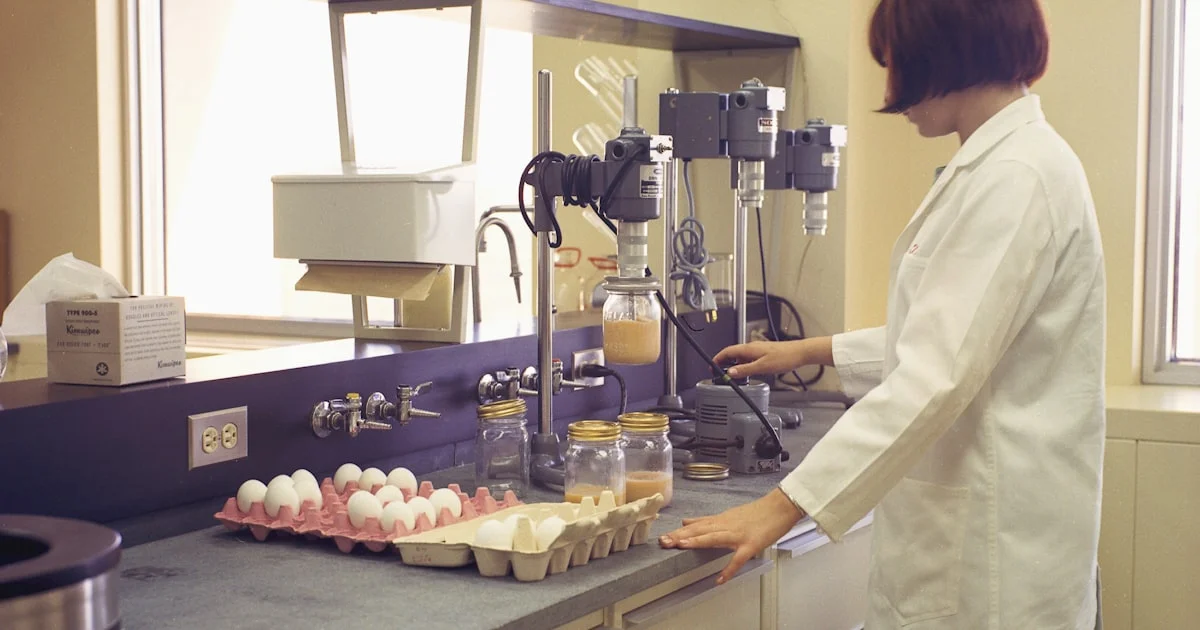
Allergen Management in Cocoa Powder Facilities
How cocoa powder facilities manage allergen risk through segregation, cleaning, and labelling, and what buyers should verify for their own compliance.
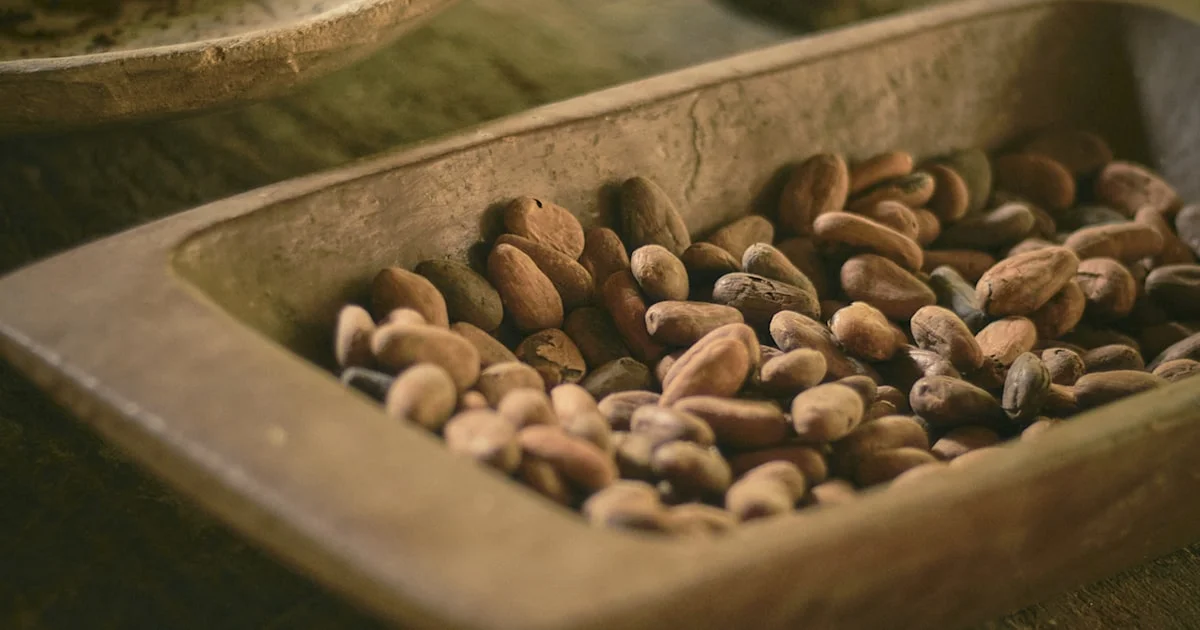
HACCP Principles Applied to Cocoa Powder Manufacturing
How the seven HACCP principles apply to cocoa powder production, the critical control points to watch, and why HACCP underpins safe supply.
ISO 22000 and Food Safety Management in Cocoa Processing
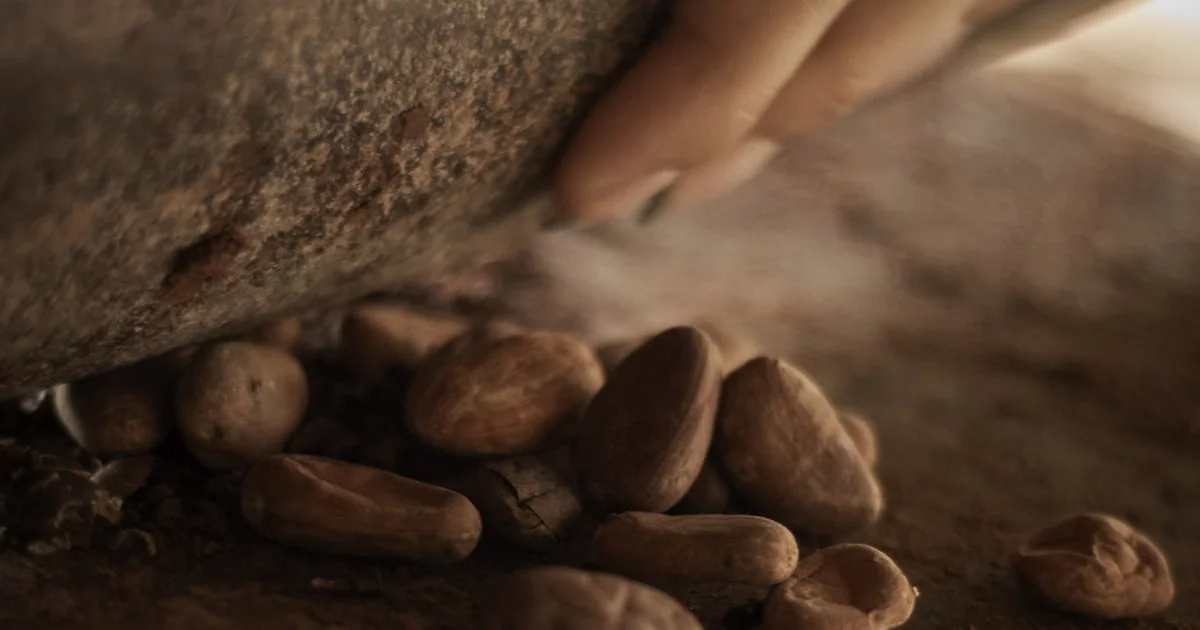
How ISO 22000 structures food safety management in cocoa powder production, what it requires, and why buyers look for it when qualifying suppliers.
Kosher Certification and Cocoa Powder Sourcing
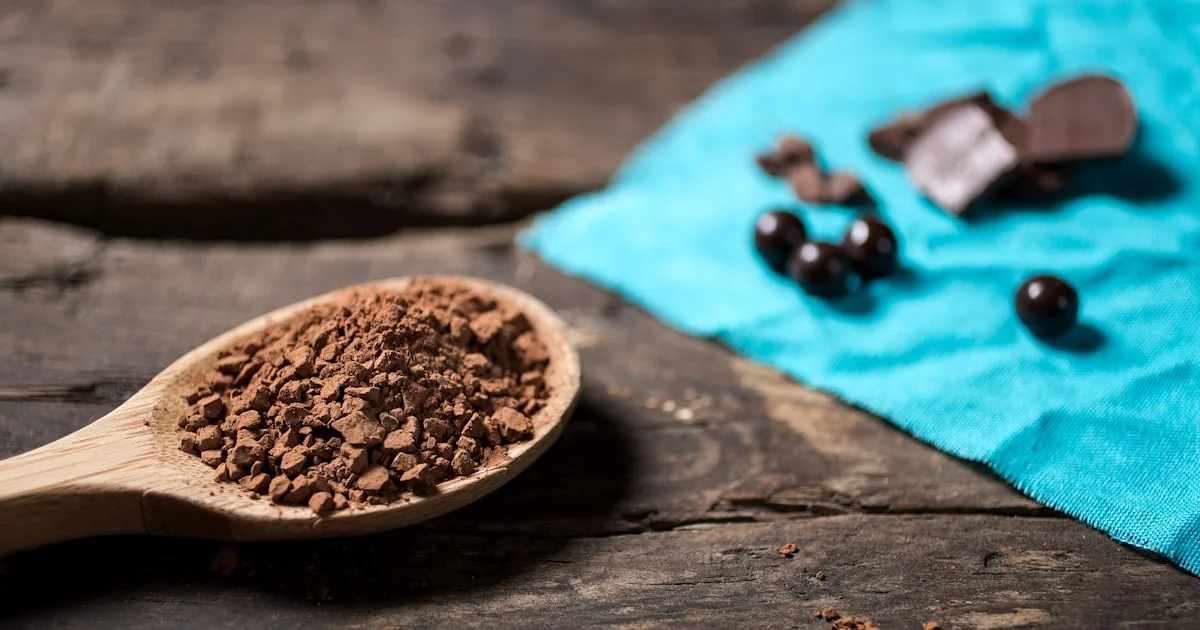
What kosher certification means for cocoa powder, how it is verified, and why it opens doors for buyers supplying international food manufacturers.

Halal Certification for Cocoa Powder: What Buyers Should Know
How halal certification applies to cocoa powder, what it covers in processing and handling, and why it matters for access to key export markets.

Microbiological Safety in Cocoa Powder: Salmonella and Beyond
A practical overview of microbiological safety for cocoa powder, covering key organisms, testing, sampling, and the controls that keep a low-moisture ingredient safe.
Particle Size and Fineness: Why Mesh Specs Matter in Cocoa
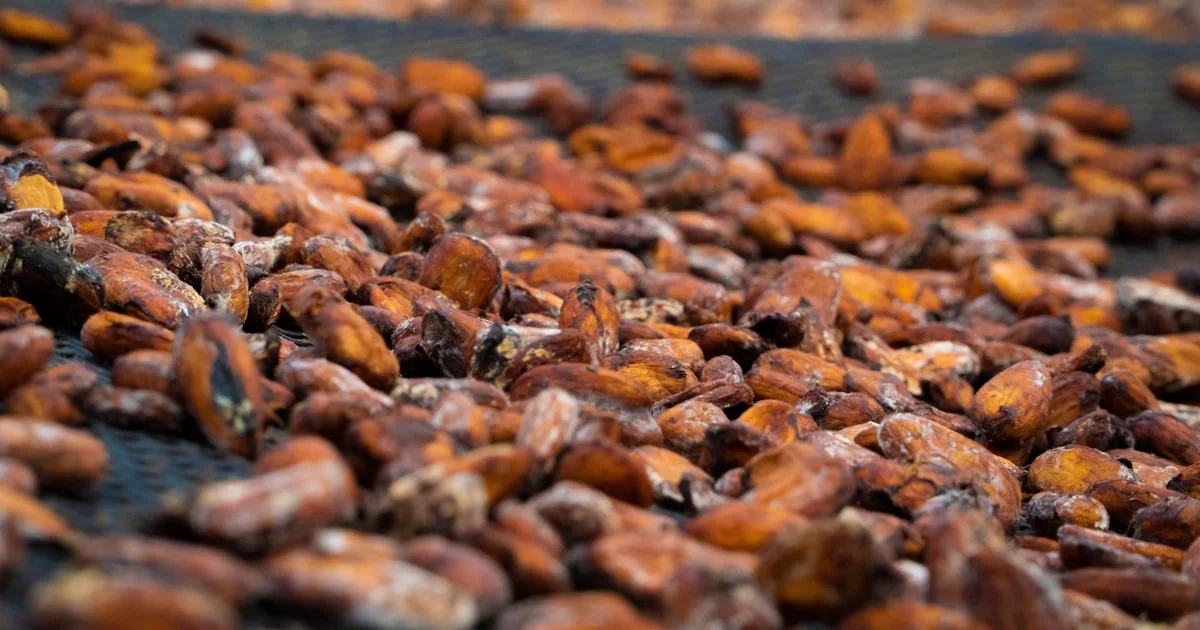
How cocoa powder particle size and fineness affect texture, dispersion, and color, and why a defined mesh specification belongs in every purchase agreement.

Controlling Moisture and Water Activity in Cocoa Powder
Why moisture and water activity are critical specifications for cocoa powder, how they affect safety and flow, and how to control them in production and storage.
White-Label Cocoa Manufacturing: A Guide for Private Brands
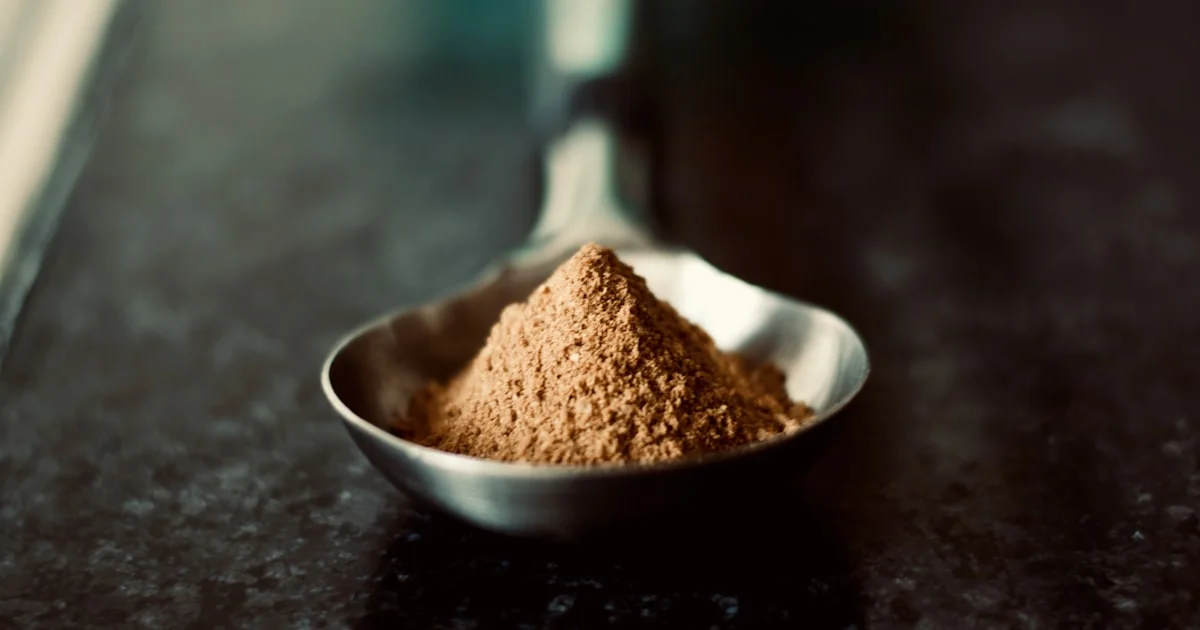
How white-label and private-label cocoa manufacturing works, what to expect from a contract partner, and how to protect quality and your brand.
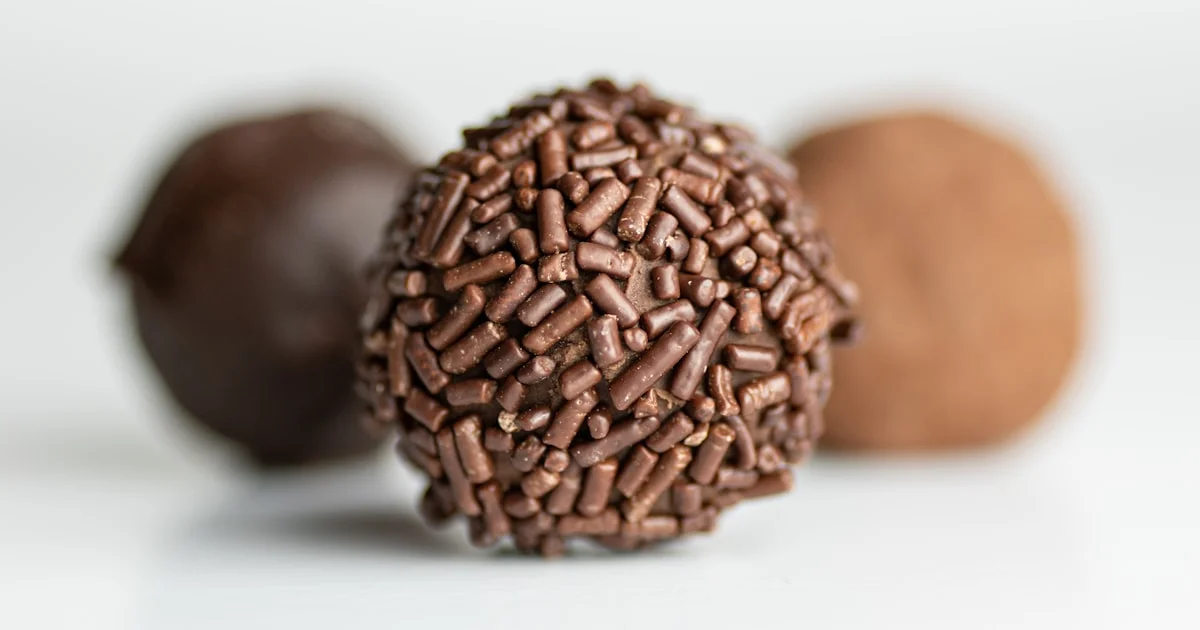
Formulating Vegan and Dairy-Free Products with Cocoa Powder
How cocoa powder supports vegan and dairy-free formulation, from masking plant-protein notes to building chocolate flavor without milk solids.

R&D Formulation Tips for Working with Cocoa Powder
Practical formulation guidance for product developers using cocoa powder, covering pH interactions, fat, hydration, color, and flavor balancing.
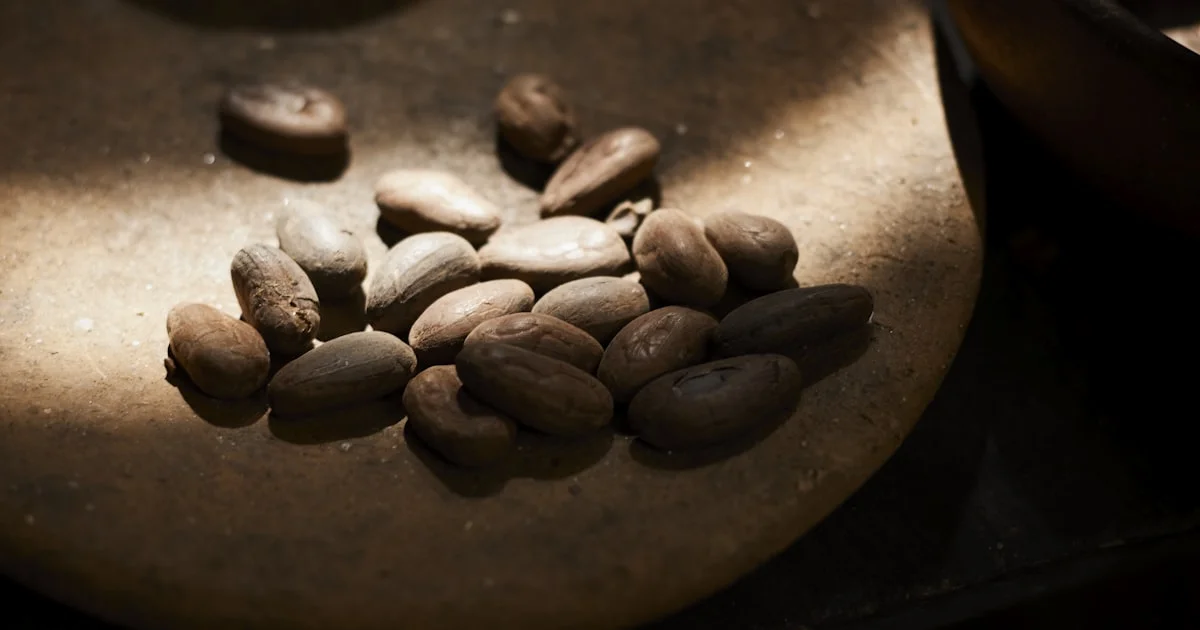
Understanding Seasonal Cocoa Price and Crop Cycles
Learn how main and mid crops, weather, and market dynamics drive cocoa price cycles, and how buyers can plan procurement around seasonal patterns.

Managing Viscosity in Compound Chocolate Made with Cocoa Powder
Understand how cocoa powder, fat, and particle size shape the flow of compound chocolate, and how to control viscosity for reliable enrobing and moulding.

Improving Cocoa Powder Solubility for Instant Drink Mixes
Discover the factors that govern how cocoa powder disperses and dissolves in instant beverages, and how to formulate for a smooth, grit-free drink.
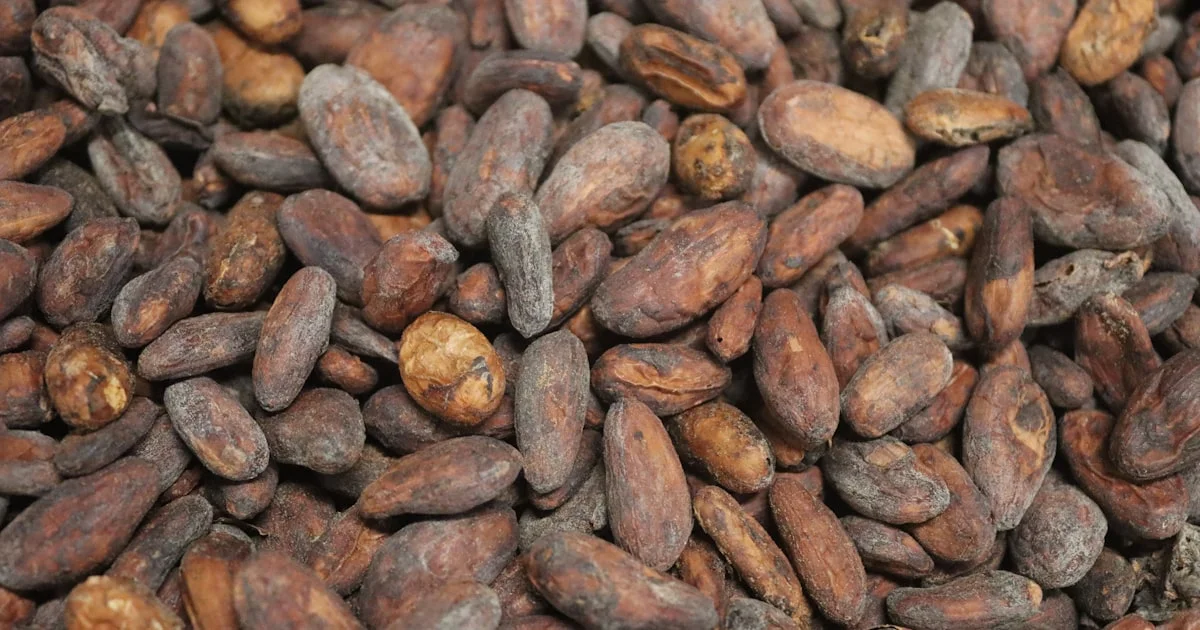
Cocoa Powder Packaging Formats: Kraft Bags, Big Bags, and Totes
Compare the main industrial packaging formats for cocoa powder and learn how to match bag type, liner, and handling to your volume and production line.

How to Run a Cocoa Supplier Audit: A Practical Framework
A step-by-step framework for auditing cocoa suppliers, covering food safety, quality systems, traceability, and the documentation that proves capability.

Importing Cocoa Powder into the US: FDA and FSMA Essentials
A clear overview of the US import requirements for cocoa powder, from facility registration and prior notice to the Foreign Supplier Verification Program.

EU Cocoa Import Rules: EUDR Due Diligence and What It Means
Understand the EU Deforestation Regulation and wider import requirements for cocoa, including due diligence, geolocation data, and the shifting compliance timeline.
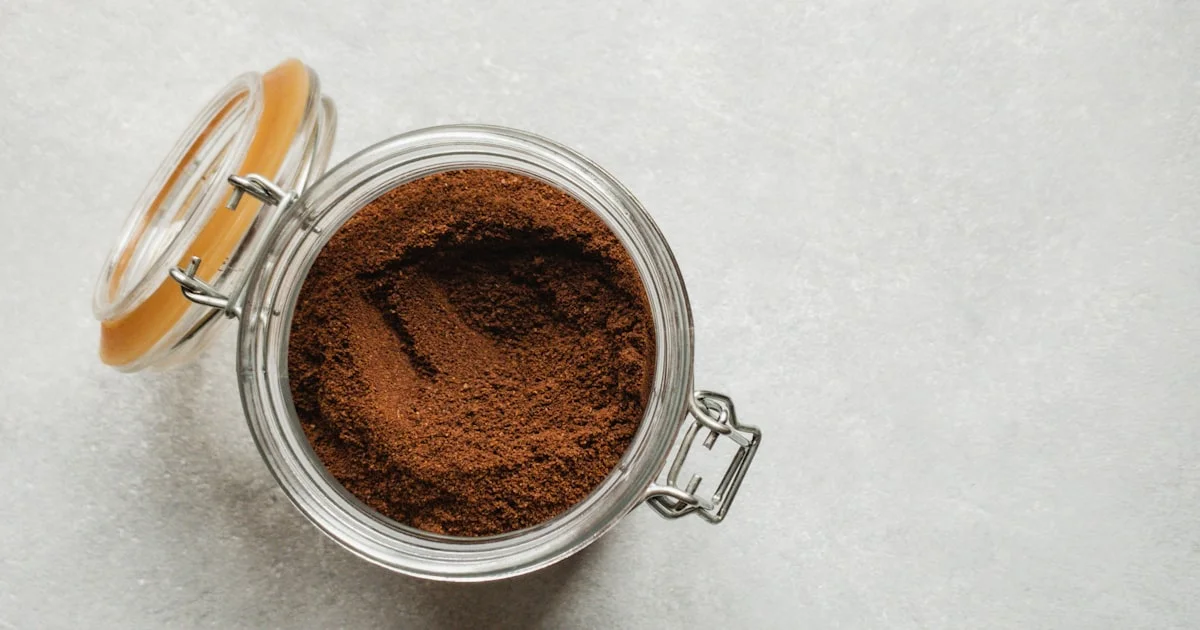
Organic, Fairtrade, and Rainforest Alliance: Choosing Certified Cocoa
Compare the leading cocoa certification schemes—organic, Fairtrade, and Rainforest Alliance—to decide which sourcing standard best fits your brand and market.
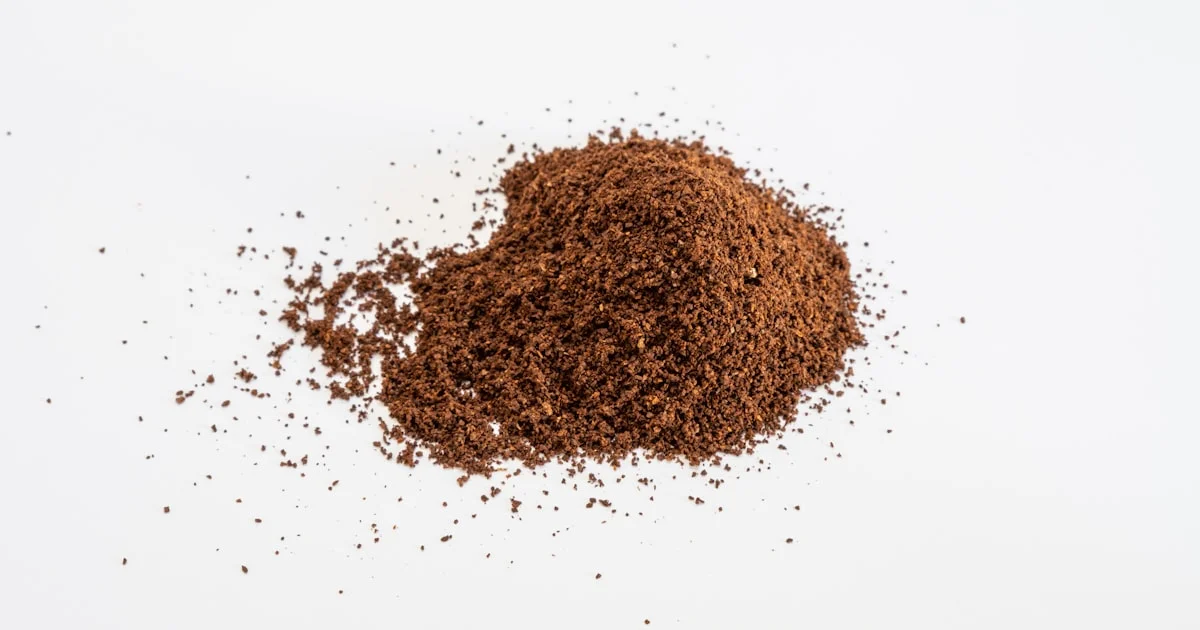
Pesticide Residue Testing in Cocoa Powder: A Buyer's Guide
Learn how pesticide residues reach cocoa, which maximum residue limits matter for export, and how to structure a testing programme that protects your supply chain.

Cadmium in Cocoa: Testing, EU Limits, and Compliance Strategy
A practical guide to cadmium in cocoa powder: where it comes from, the EU maximum levels, how testing works, and how buyers manage compliance risk.
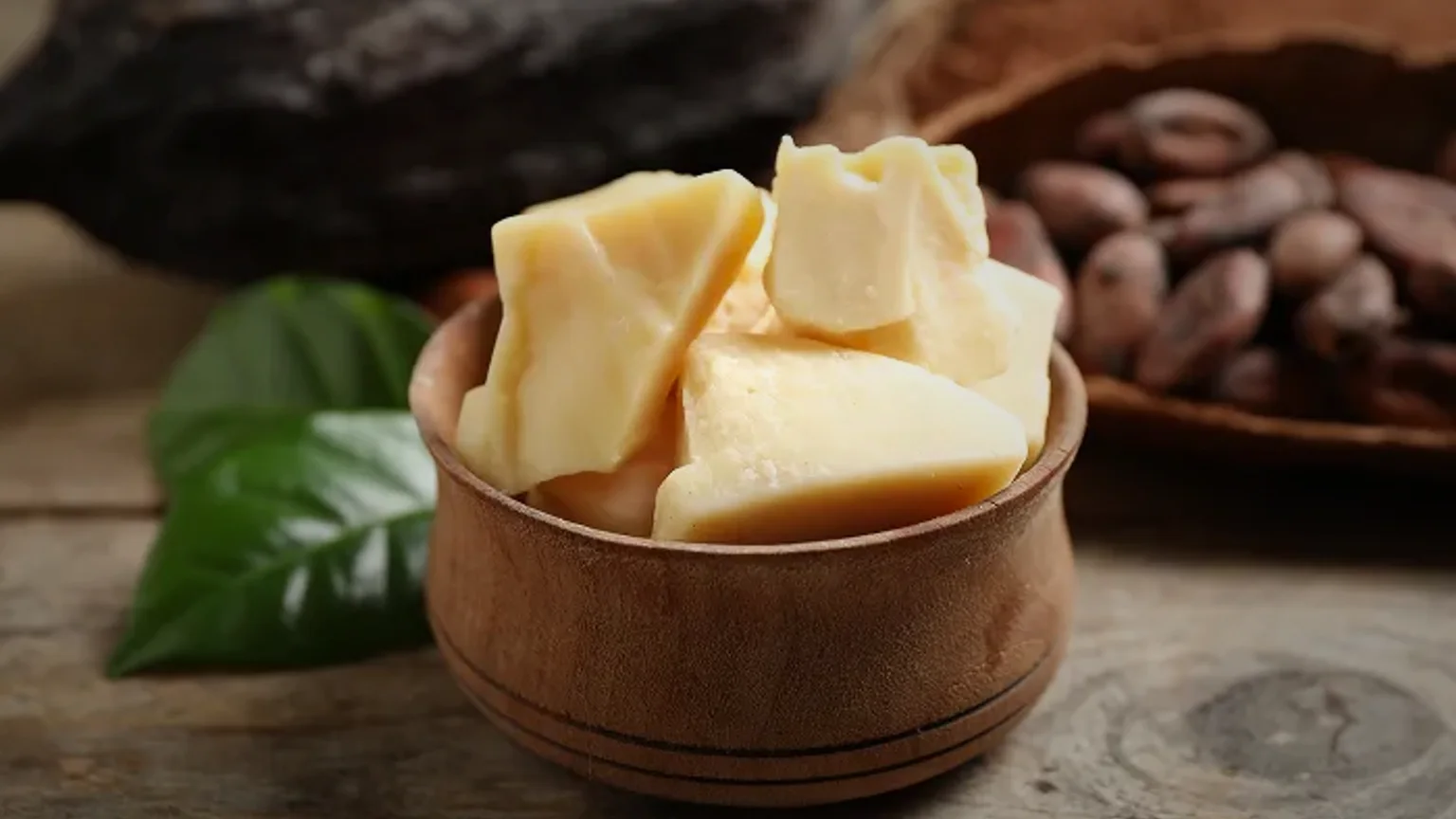
Cocoa Flavanols Explained: Communicating Health Claims Responsibly
Understand what cocoa flavanols are, how processing affects them, and how brands can reference them in marketing without overstating the science.
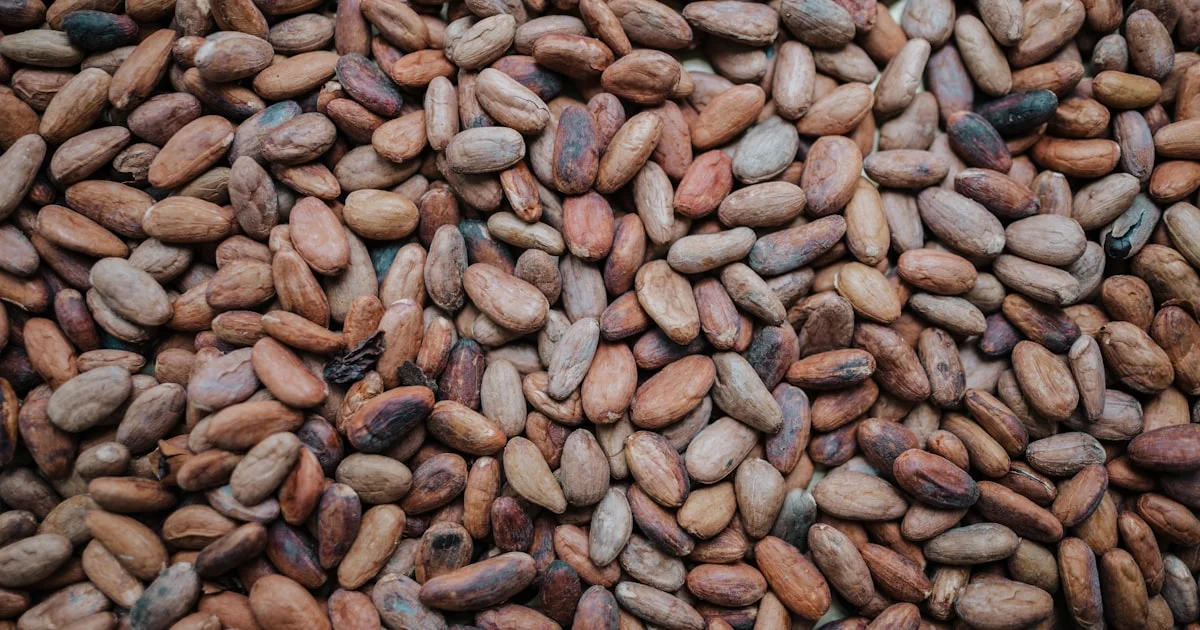
Food Safety Standards for Cocoa Powder Manufacturing
An overview of the food safety standards and controls behind cocoa powder manufacturing, and how buyers can verify a supplier's credentials.

Bulk Packaging and Palletization for Cocoa Powder Exports
How proper bulk packaging and palletisation protect cocoa powder quality through long export journeys, from moisture-barrier bags to container loading.

Reading a Cocoa Powder Certificate of Analysis
Learn how to read a cocoa powder certificate of analysis, from fat and moisture to pH and microbiology, and turn it into confident quality decisions.
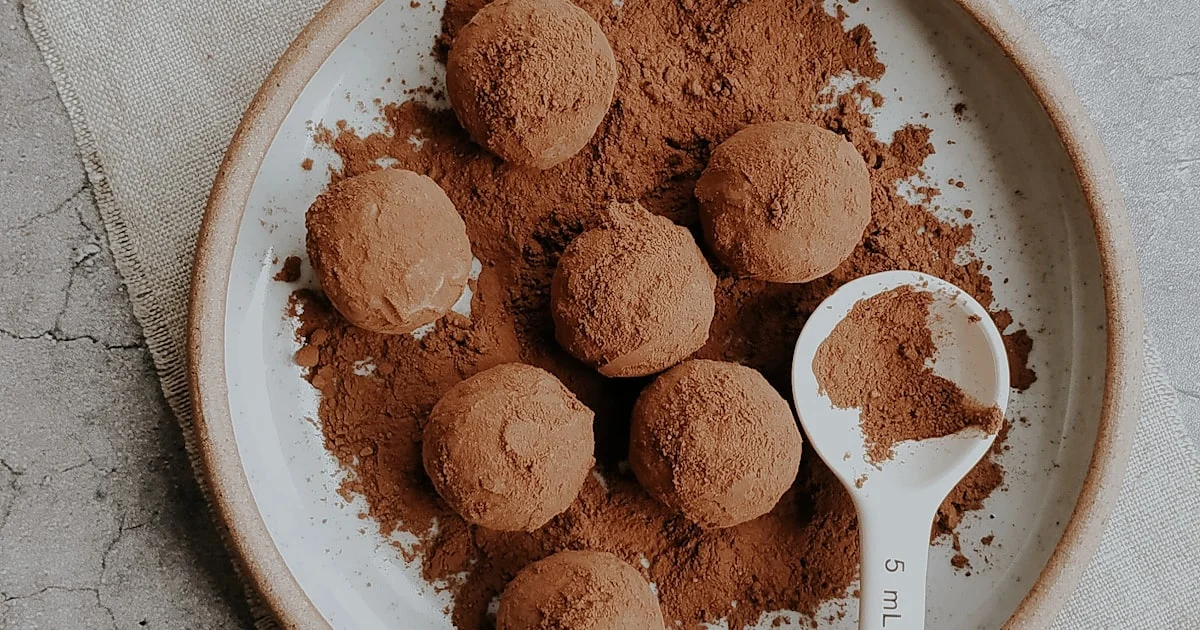
Solubility and Dispersibility: Engineering Cocoa Powder for Instant Mixes
Understand the difference between solubility and dispersibility in cocoa powder and how to engineer instant mixes that blend smoothly every time.
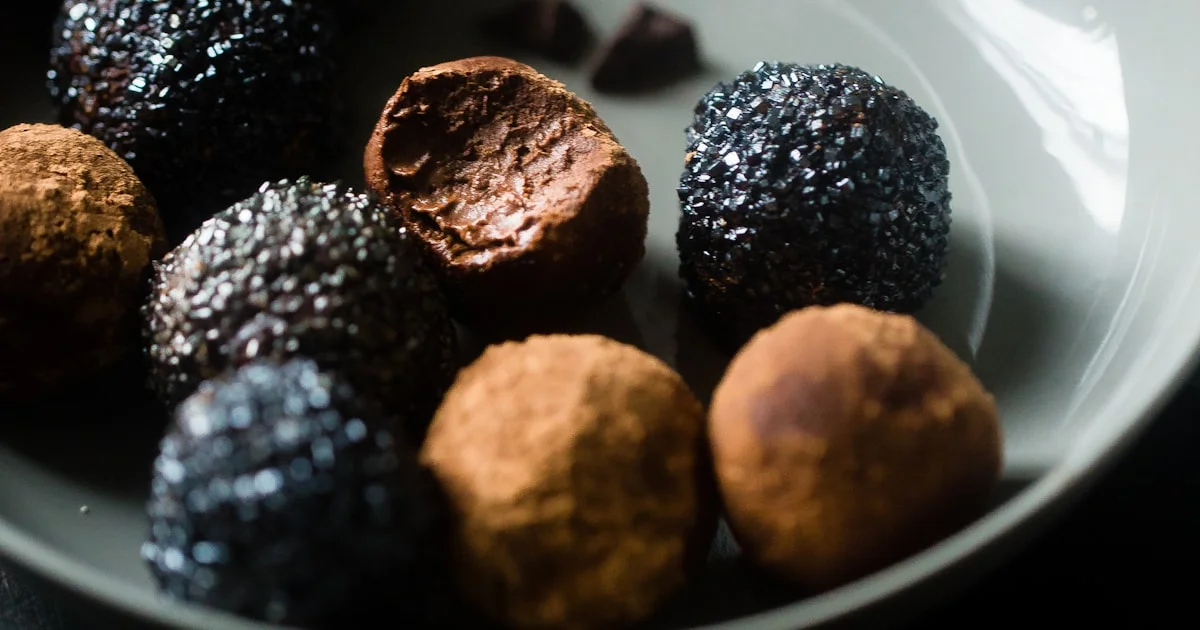
Compound Coatings: Using Cocoa Powder in Cost-Effective Confectionery
How cocoa powder functions in compound coatings, a cost-effective chocolate alternative, and how to select the right powder for confectionery and bakery.
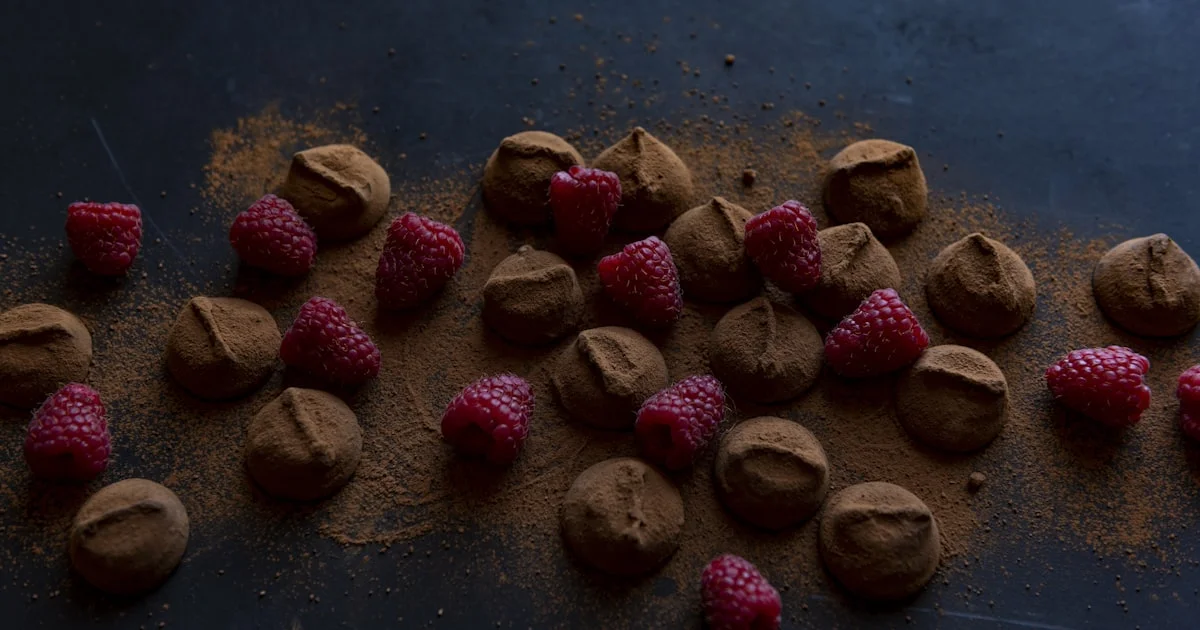
Cocoa Powder in Ice Cream and Dairy Formulation
Formulation essentials for using cocoa powder in ice cream and dairy products, covering grade selection, dispersion, colour, and flavour through the cold chain.

Formulating Cocoa Powder for Protein and RTD Beverages
How to formulate cocoa powder into protein shakes and ready-to-drink beverages, balancing dispersibility, flavour, and colour stability.
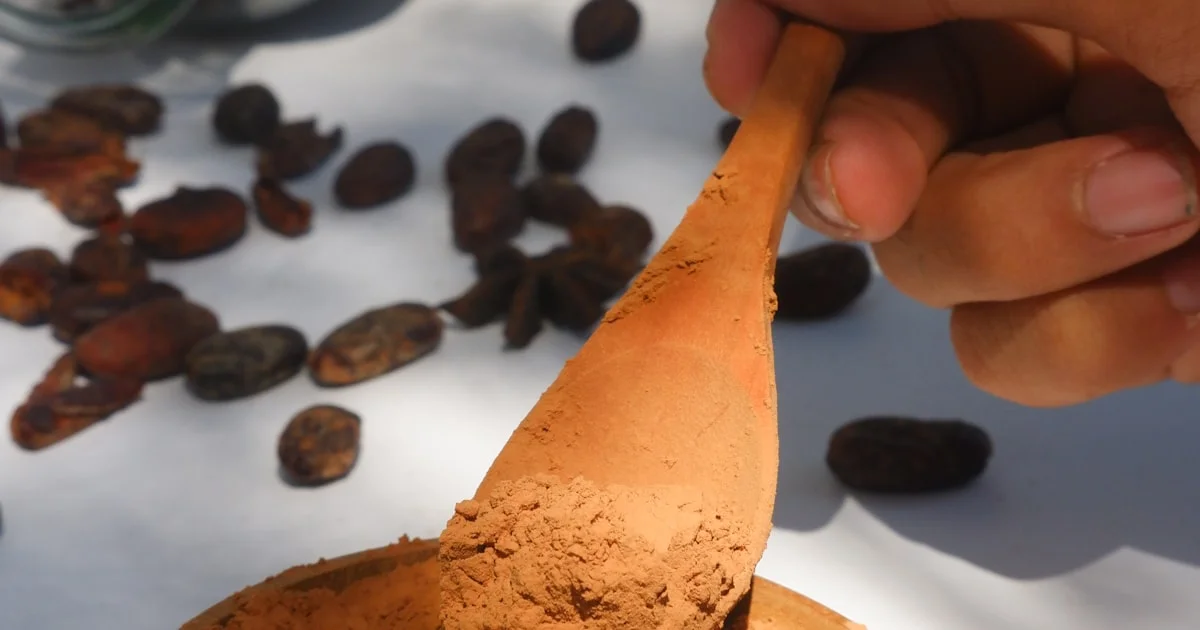
How Bean Fermentation Shapes Cocoa Powder Flavor
Discover how bean fermentation creates the flavour precursors that define cocoa powder, and why post-harvest practice shapes the finished taste.

Traceability in the Cocoa Supply Chain: Farm to Finished Powder
Why traceability from farm to finished cocoa powder matters for quality control, food safety, and credible, responsible sourcing claims.
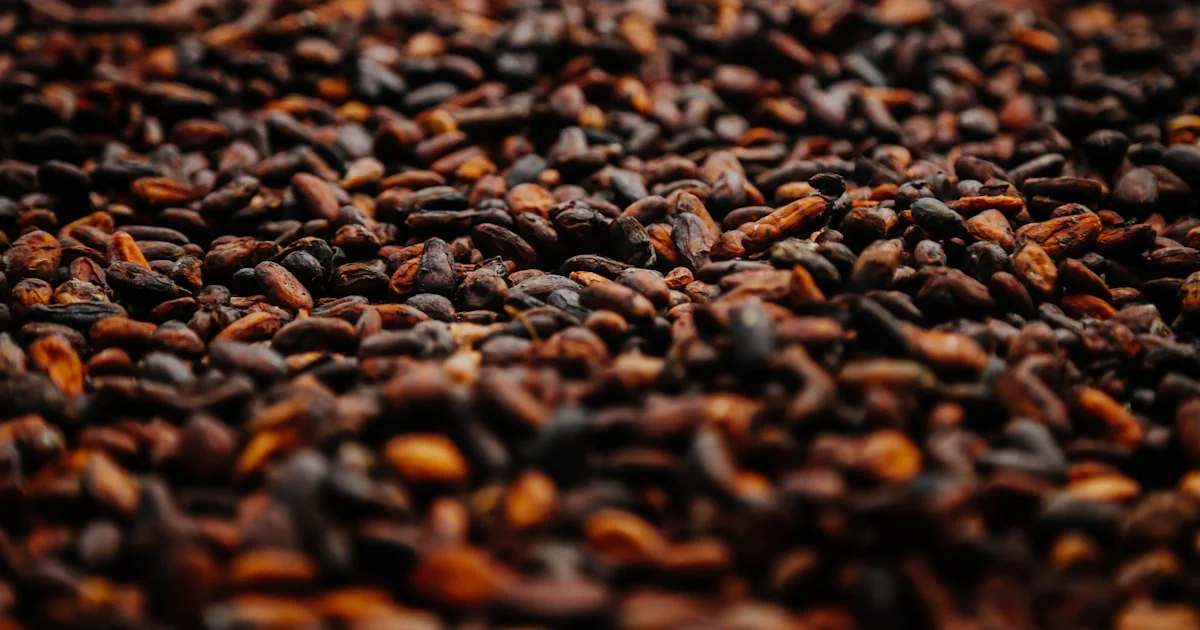
Private-Label Cocoa Powder: A Sourcing Guide for Brand Owners
A sourcing guide for brand owners building private-label cocoa products: defining specifications, evaluating suppliers, and protecting consistency.

FOB vs CIF: Choosing Incoterms for Cocoa Powder Shipments
Understand the difference between FOB and CIF Incoterms for cocoa powder shipments and learn how to choose the right term for your business.
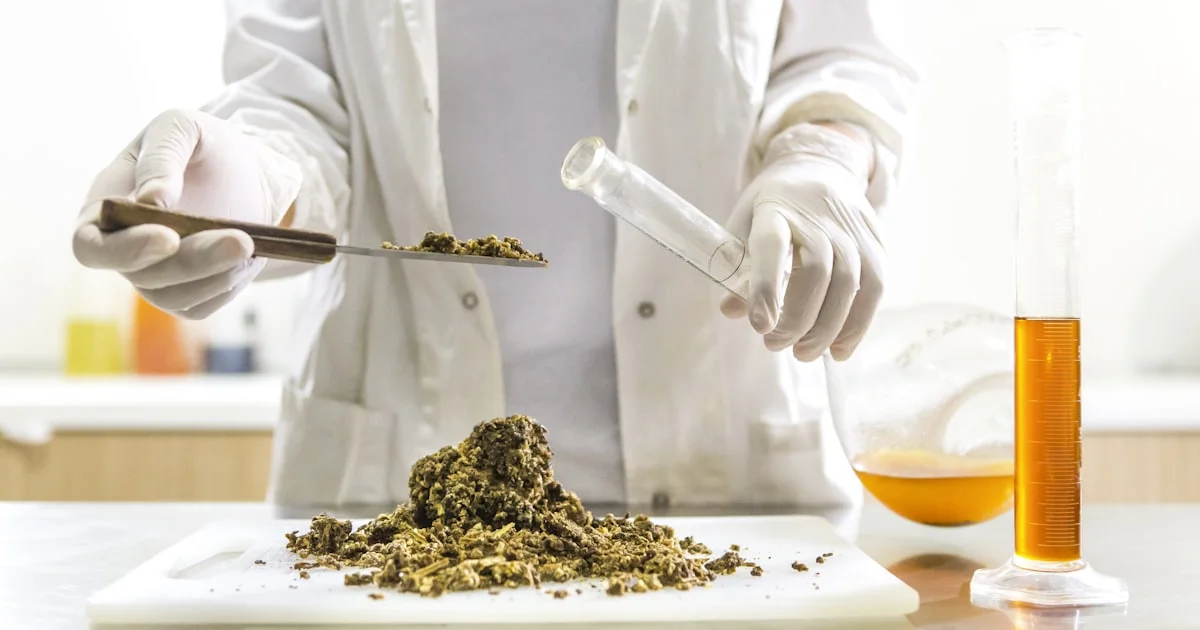
Export Documentation Every Cocoa Powder Importer Should Verify
A practical guide to the export and quality documents every cocoa powder importer should request and verify to keep shipments compliant and moving.
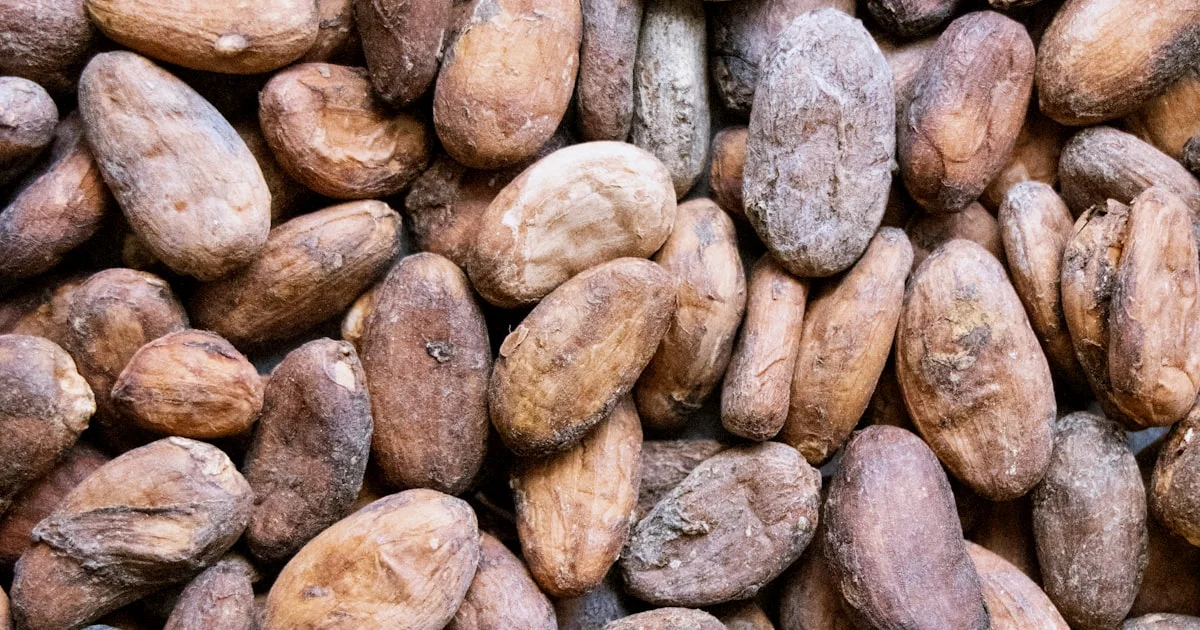
Cocoa Powder Fat Content: Comparing 10-12% and 20-22% Grades
Compare low-fat 10-12% and high-fat 20-22% cocoa powder grades and learn how fat content shapes flavour, mouthfeel, cost, and formulation.
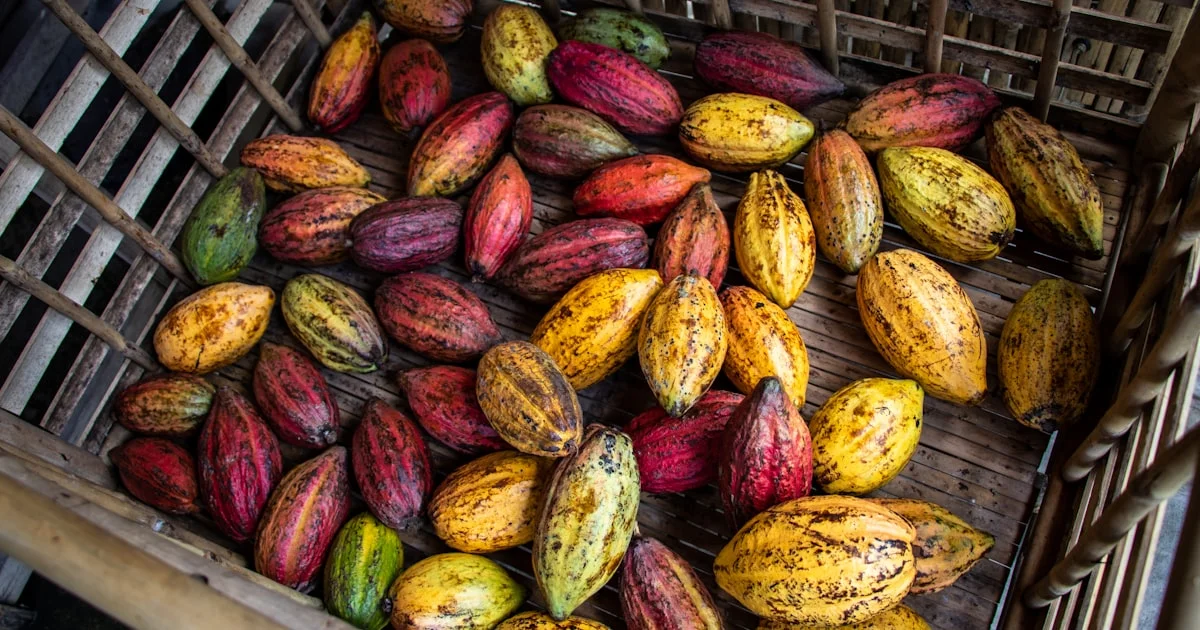
Moisture Content and Shelf Life of Bulk Cocoa Powder
How moisture content drives the shelf life of bulk cocoa powder, plus the packaging and storage practices that keep it free-flowing and stable.
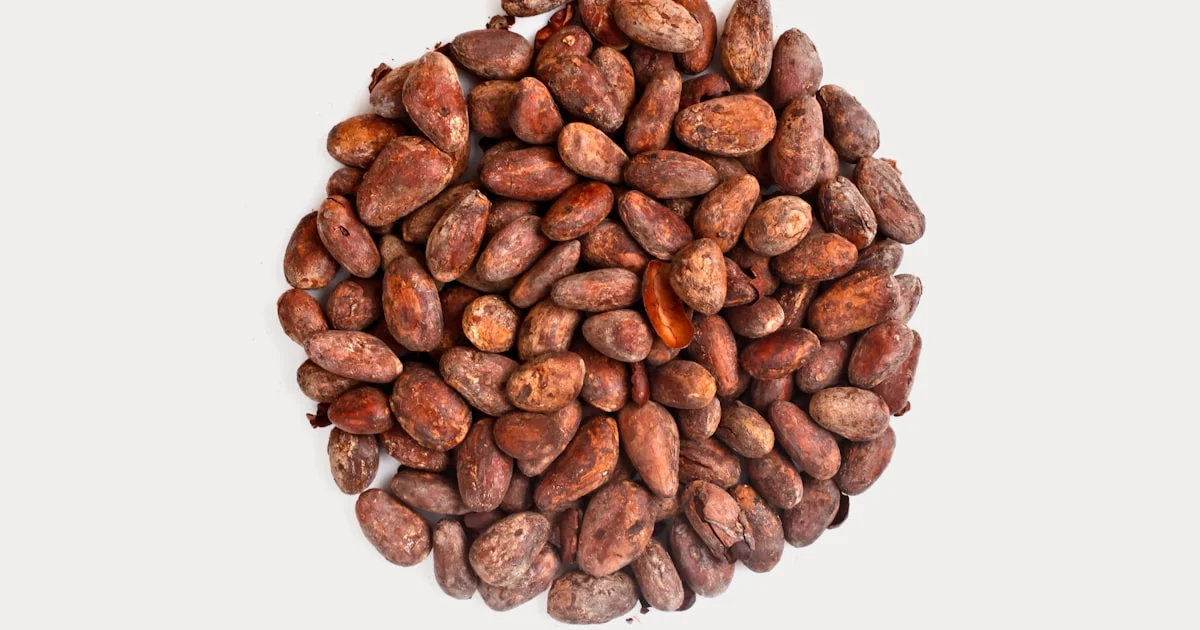
Particle Size and Fineness: Reading Cocoa Powder Micron Specs
Learn how cocoa powder particle size and fineness are measured in mesh and microns, and how they affect dispersion, mouthfeel, and line performance.
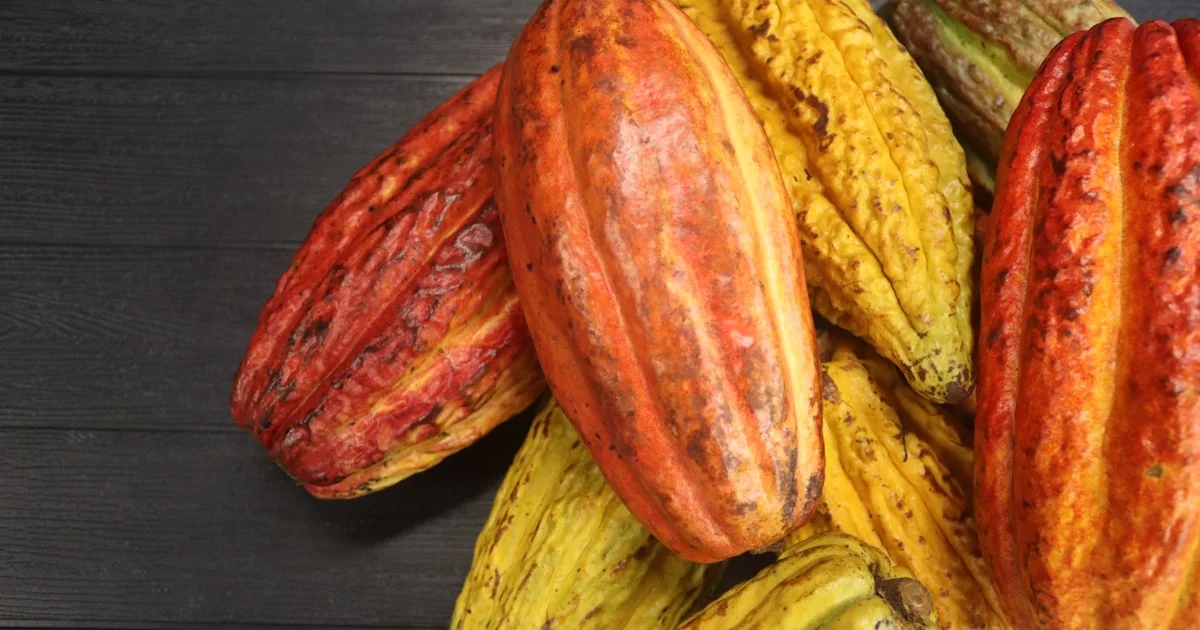
Cocoa Liquor Specifications: A Procurement Guide to Cocoa Mass
A clear procurement guide to cocoa liquor, also called cocoa mass: composition, fat content, flavour, and the logistics that affect industrial buyers.
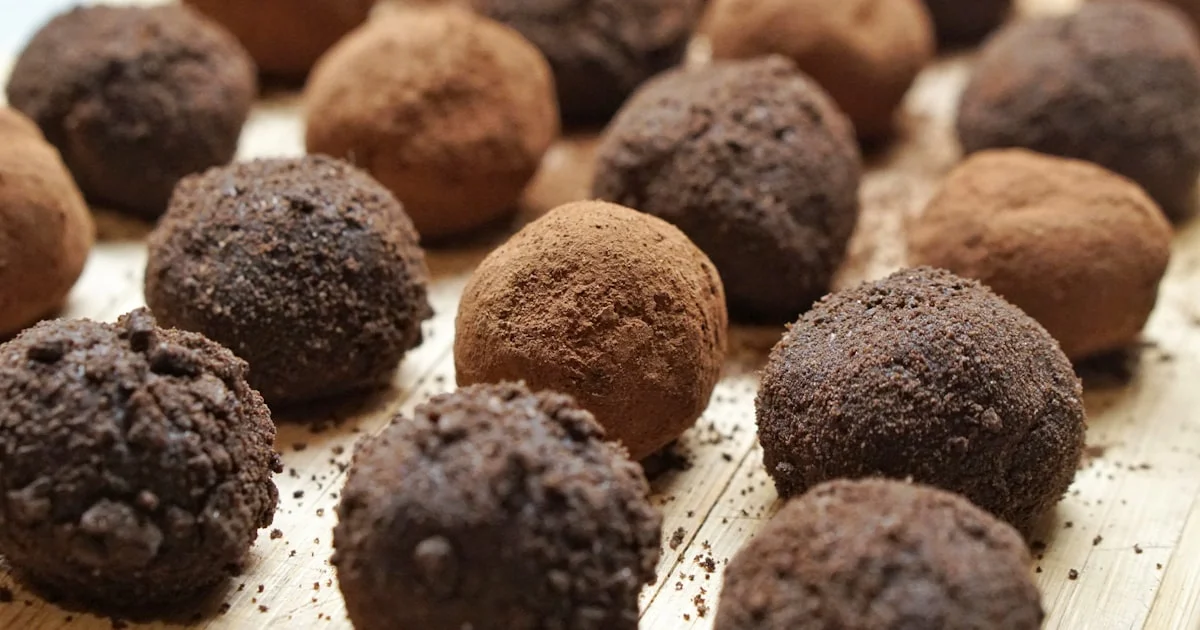
Cocoa Butter Melt Profile: Why Fat Behavior Shapes Your Product
Understand how cocoa butter's melt profile and crystal behaviour shape texture, snap, and storage, and why it matters when sourcing cocoa for production.
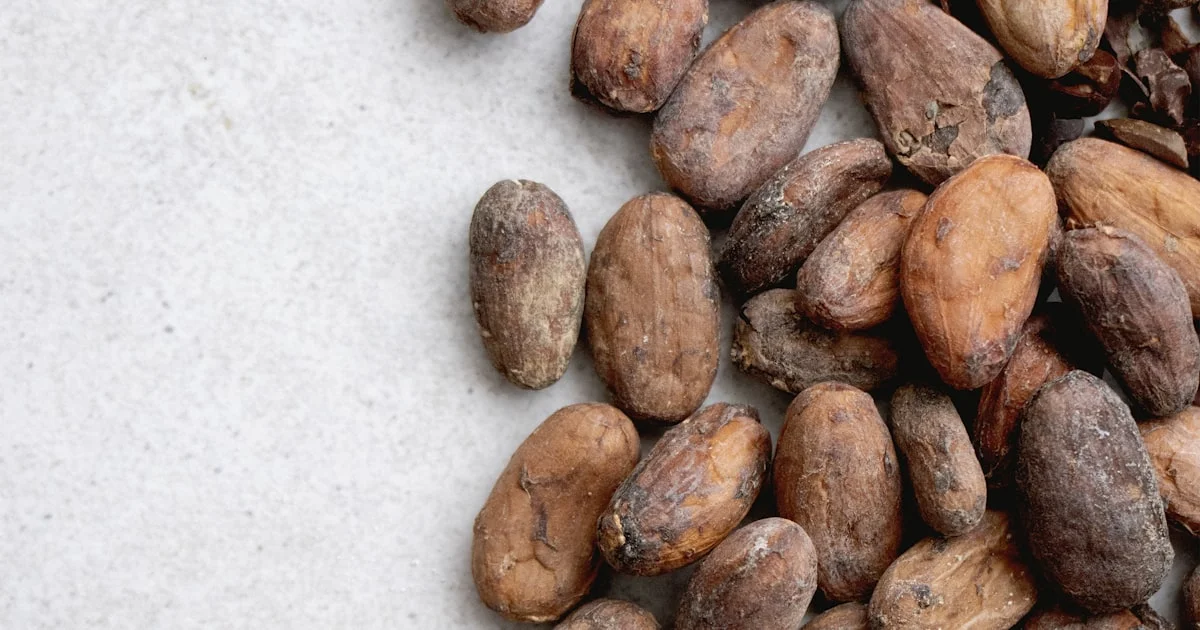
Building Long-Term Cocoa Supply Partnerships
Why a stable cocoa powder partnership outperforms spot buying, and how buyers and suppliers build relationships that secure quality and supply.
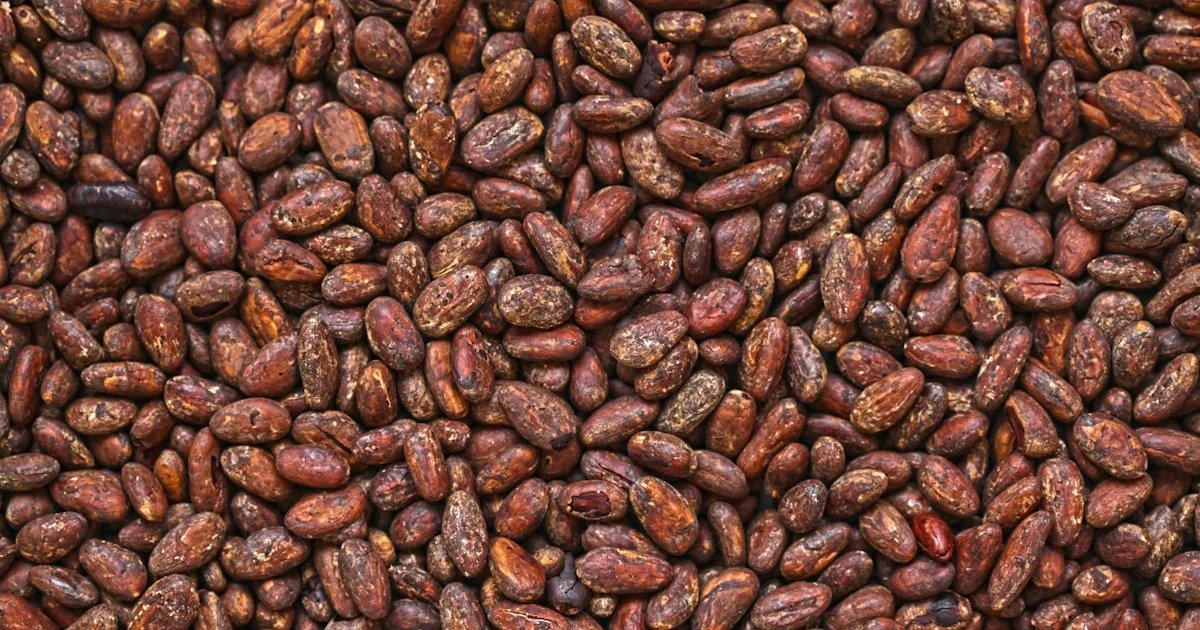
Quality Control Checkpoints in Cocoa Powder Production
The key quality control checkpoints in cocoa powder manufacturing, from incoming beans to finished powder, and what buyers should expect to see.

Shelf-Life Testing and Best-Before Dating for Cocoa Powder
How cocoa powder shelf life is established, what causes quality to decline over time, and how to set realistic best-before dates for bulk supply.
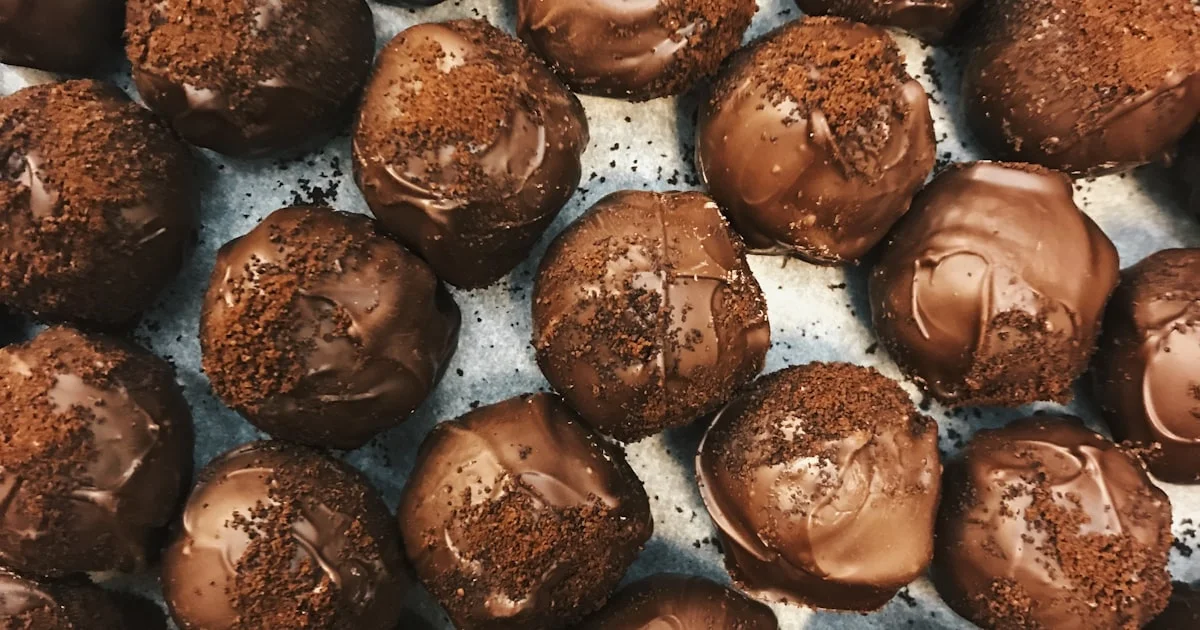
Replacing Chocolate With Cocoa Powder and Fat in Formulas
How formulators substitute cocoa powder plus a fat for chocolate or compound to manage cost and supply, and the trade-offs to watch for.
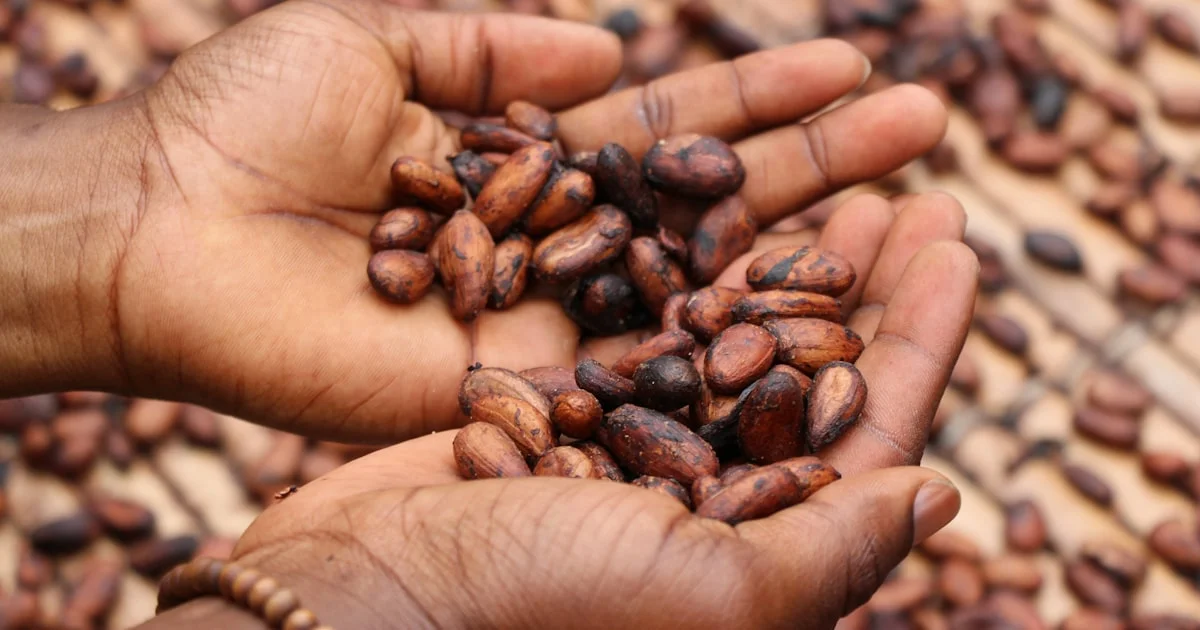
Calculating Cocoa Powder Dosage in Industrial Recipes
How to approach cocoa powder dosage in formulation: balancing flavor intensity, color, fat, and cost when scaling a recipe to production.
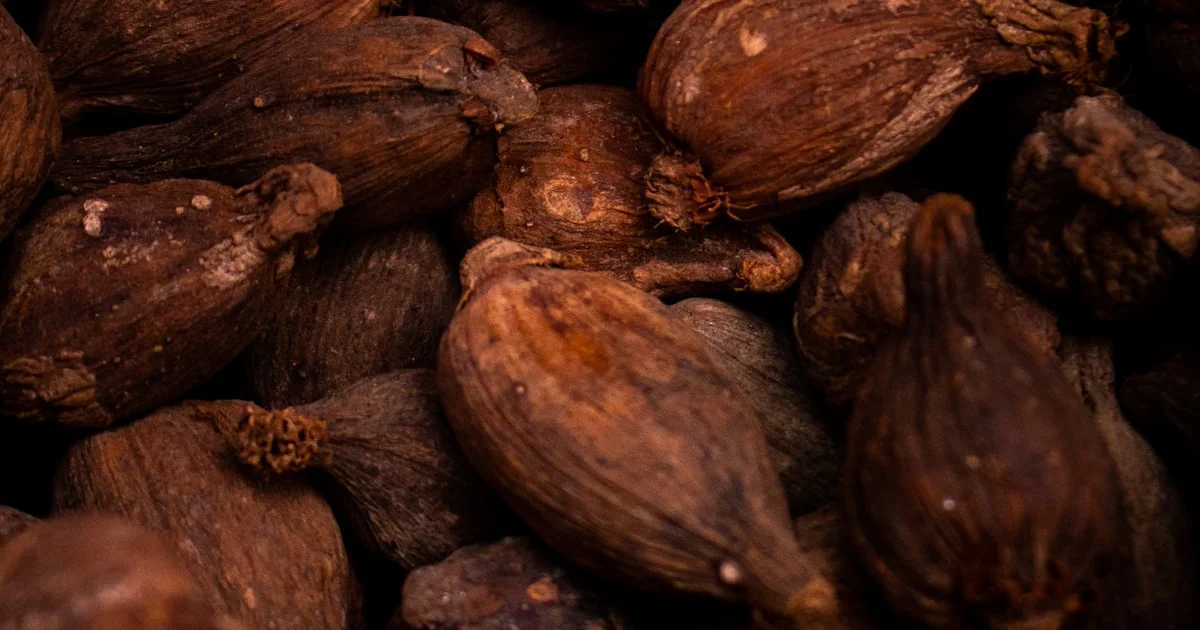
Cocoa Liquor, Butter, and Powder: Knowing the Three Products
A clear comparison of cocoa liquor, cocoa butter, and cocoa powder: how each is made, what it is used for, and how to source them correctly.

From Nib to Powder: Inside the Cocoa Pressing Process
A step-by-step look at how cocoa nibs become liquor, butter, and powder, and why the pressing stage defines fat content and quality.
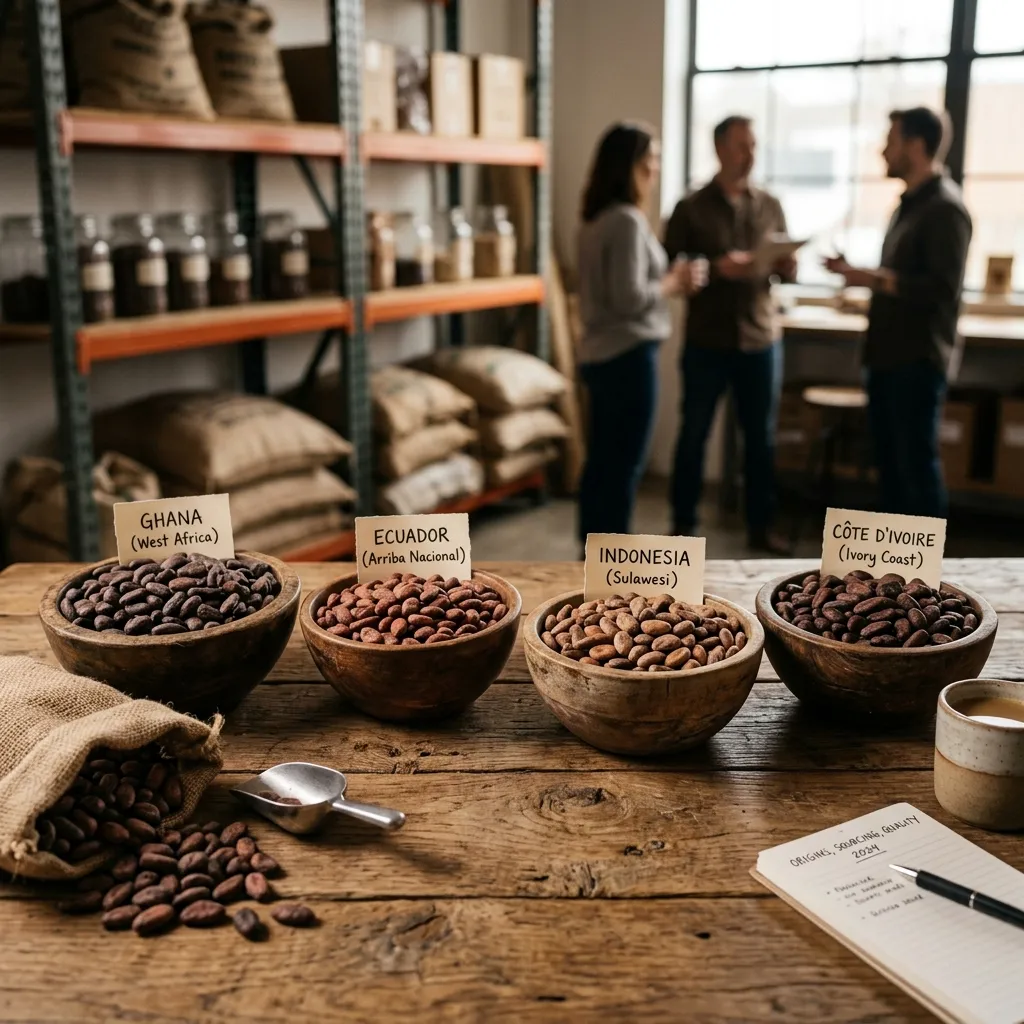
Cocoa Bean Origins: How Terroir Shapes Powder Quality
How growing region, climate, and post-harvest practice influence the character of cocoa powder, and why origin is part of every sourcing decision.
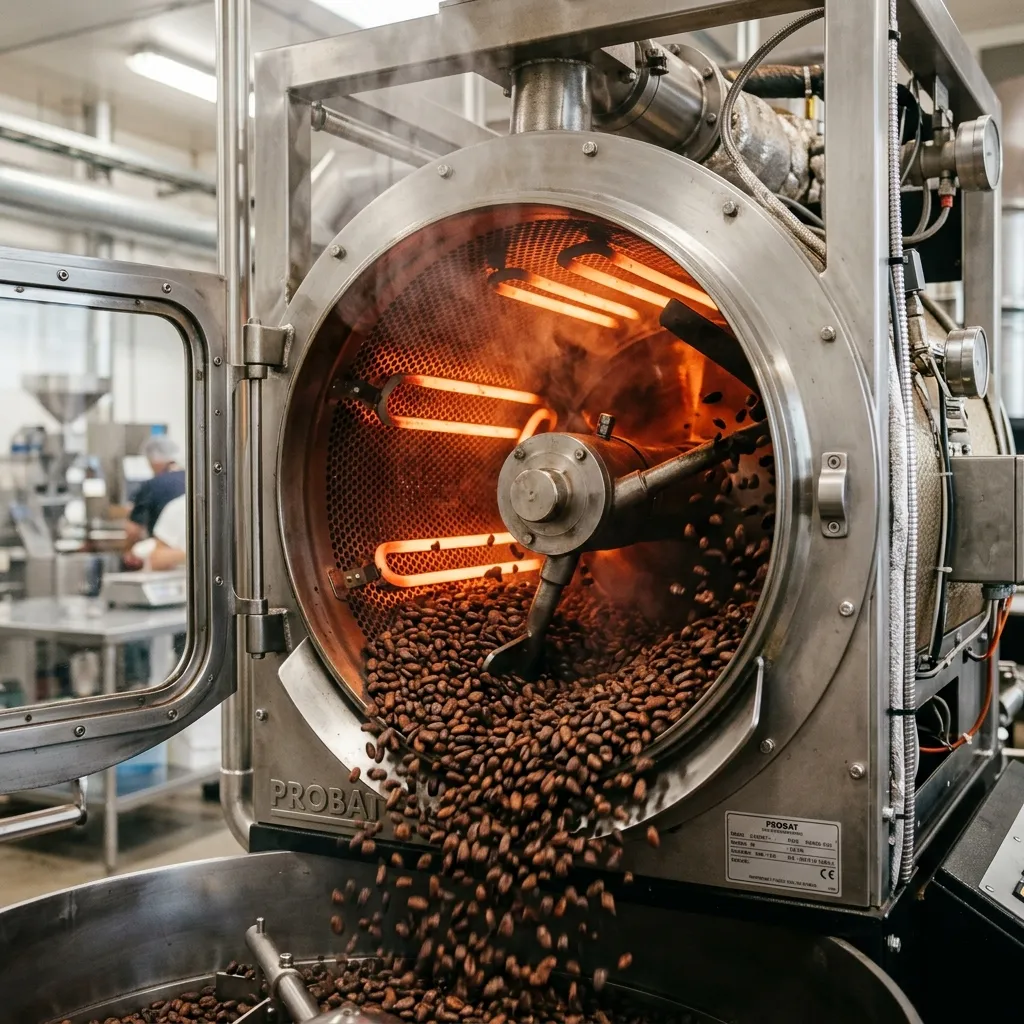
How Roasting Influences Cocoa Powder Aroma and Color
The role of bean roasting in developing cocoa aroma, color, and bitterness, and why roast control is central to a consistent powder.

Cocoa Powder Flavor Profiles: A Tasting Guide for Buyers
How to evaluate cocoa powder flavor systematically, the vocabulary buyers use to describe it, and how origin and processing shape the profile.
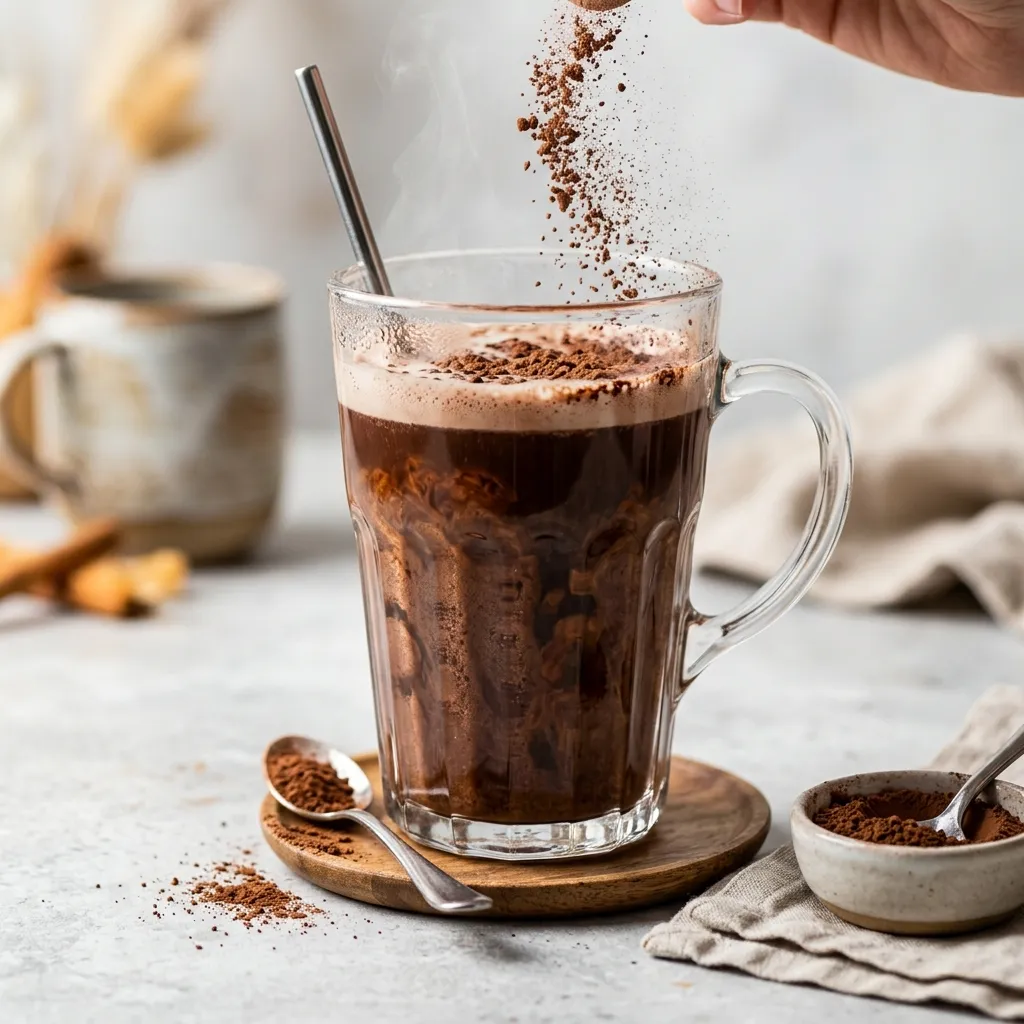
The Role of Cocoa Powder in Dairy and Drinking Chocolate
How cocoa powder functions in dairy drinks, flavored milk, and drinking chocolate, and what to consider for flavor, color, and stable suspension.
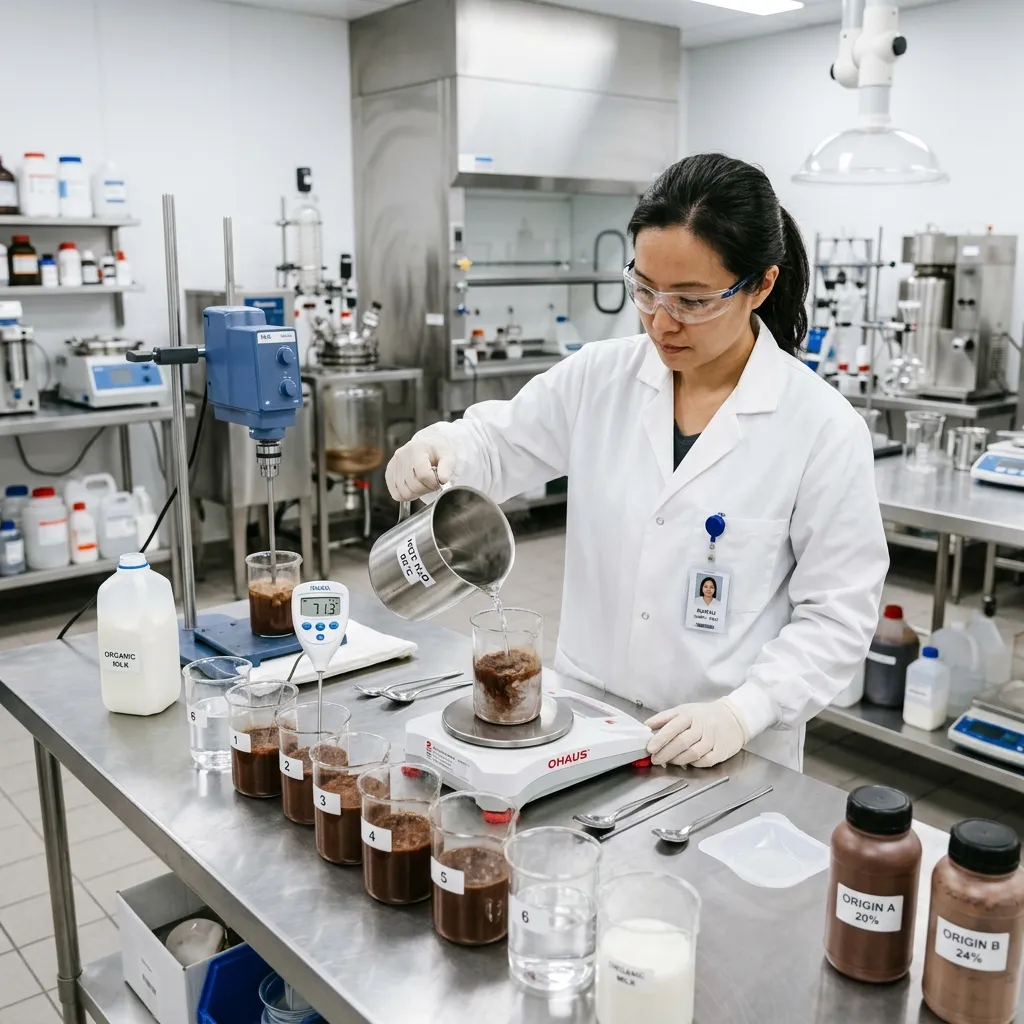
Key Considerations When Sourcing Cocoa for Beverages
What beverage manufacturers should look for in cocoa powder: solubility, color in milk and water, flavor balance, and consistency across batches.

Selecting the Right Cocoa Powder Grade for Confectionery
How confectionery manufacturers match cocoa powder grade to fillings, coatings, and compound applications, balancing flavor intensity, color, and fat.
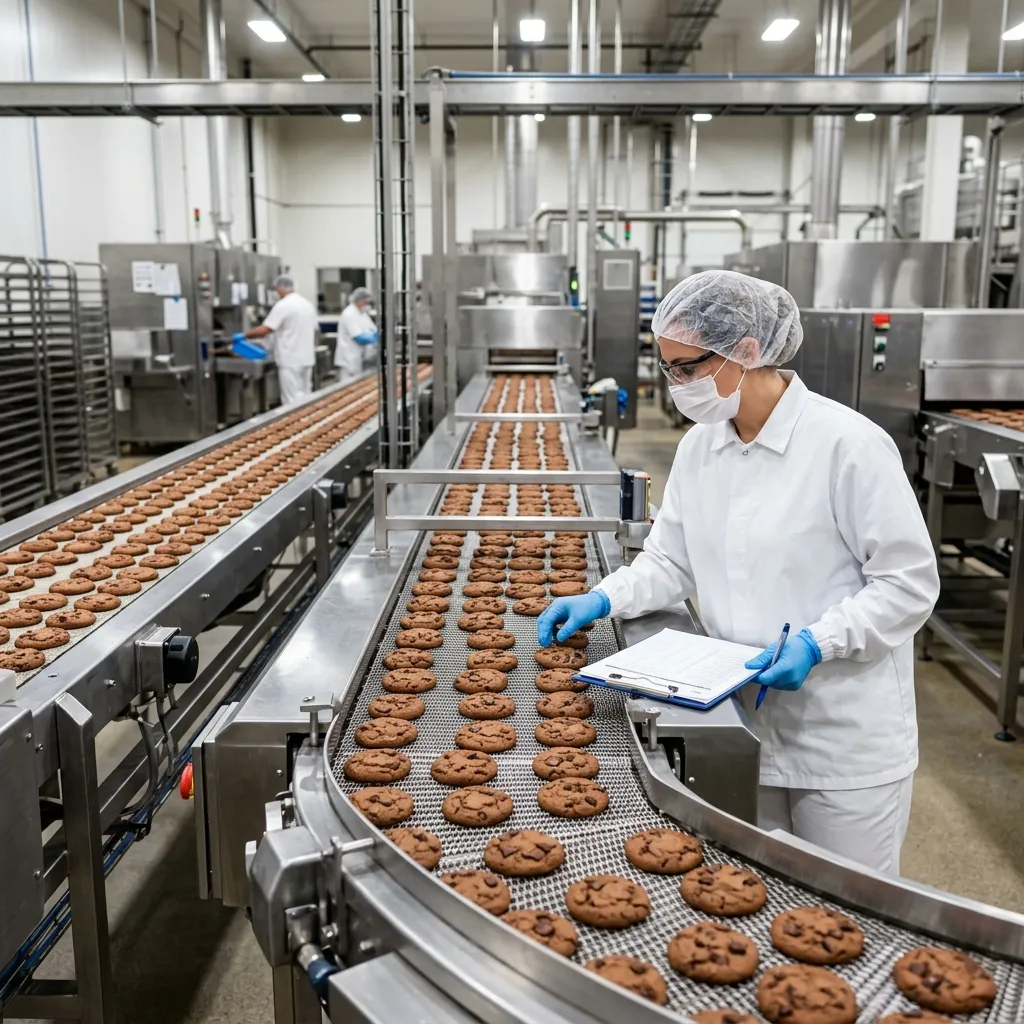
Sourcing Cocoa Powder for Industrial Bakery Manufacturers
What bakery manufacturers should prioritise when sourcing cocoa powder: color, pH, fat content, dispersibility, and supply consistency at production scale.
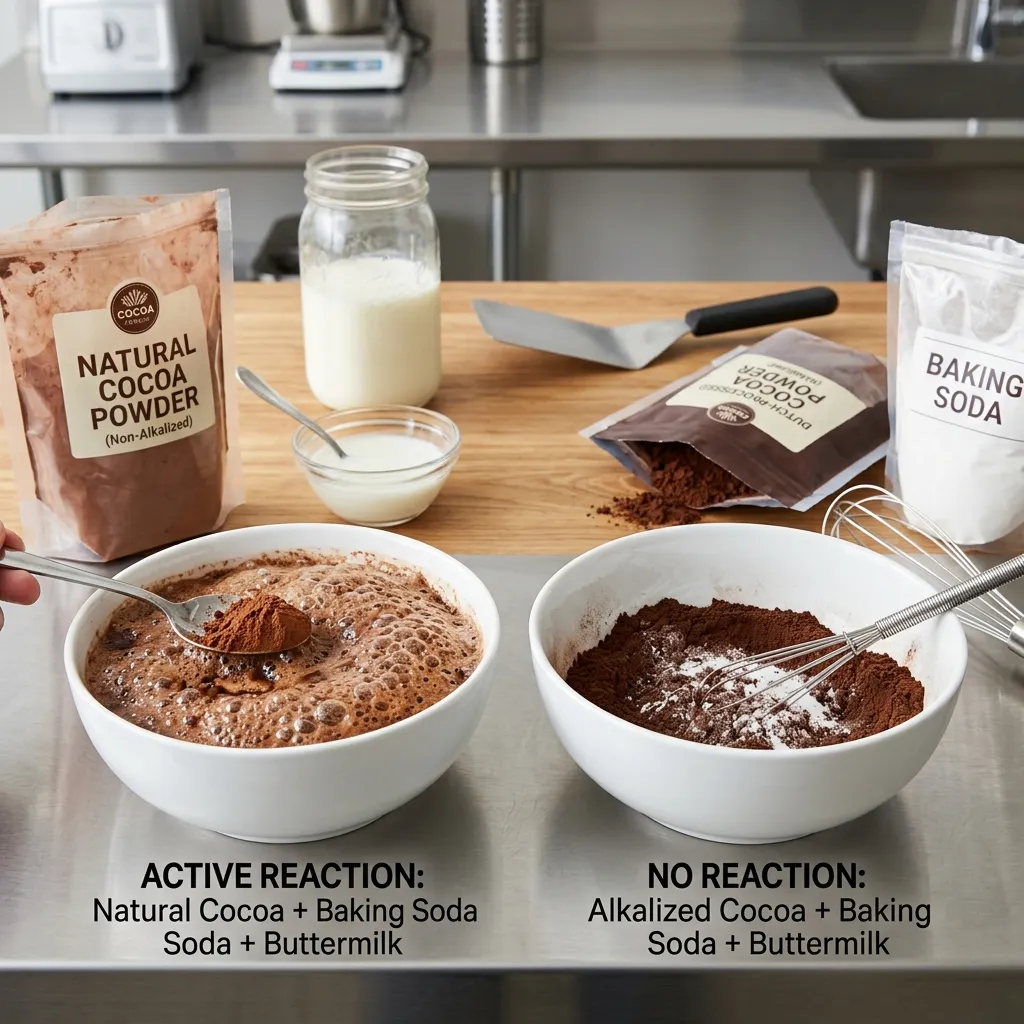
Understanding Cocoa Powder pH and Its Effect on Recipes
Why the pH of cocoa powder matters for leavening, flavor, and color in baked goods, and how to match natural or alkalized cocoa to your recipe chemistry.
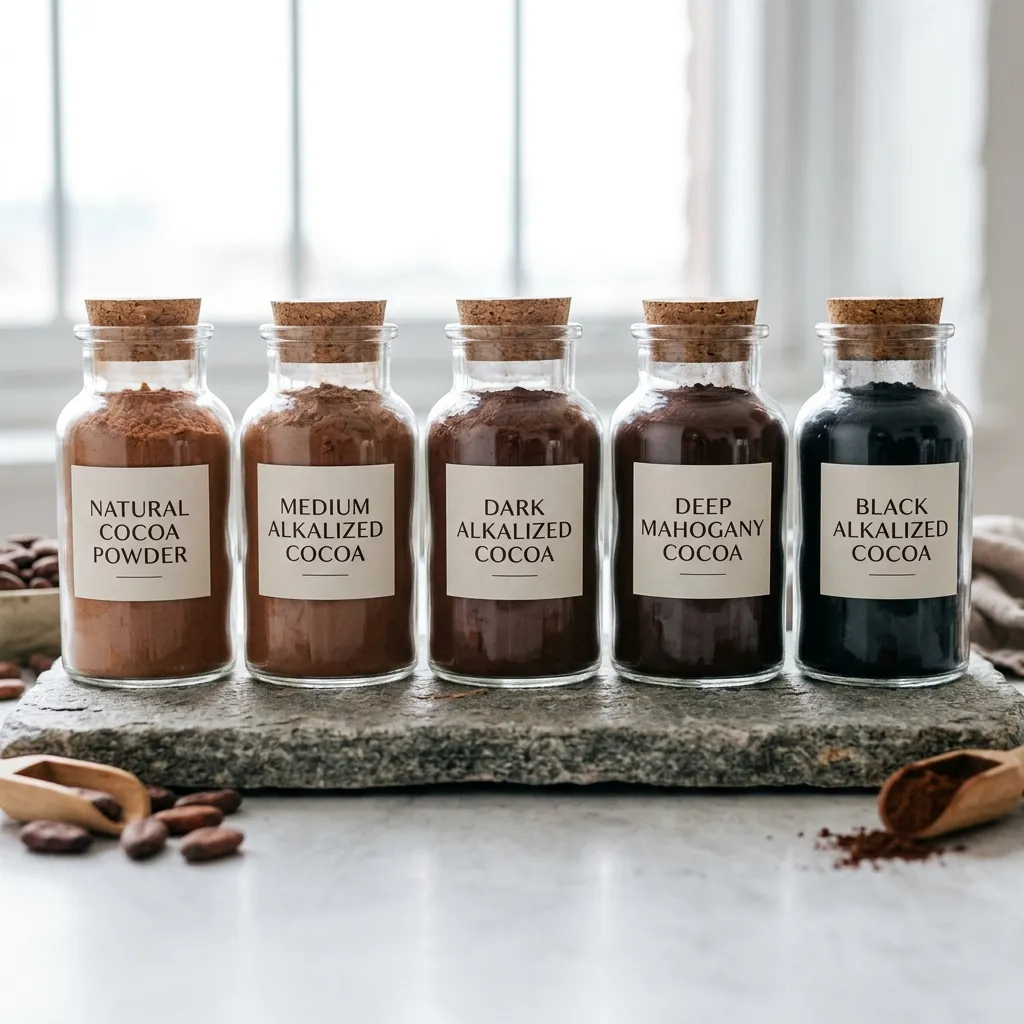
Cocoa Powder Color Grading: From Light Brown to Deep Black
How cocoa powder color is graded and matched, why shade consistency matters to manufacturers, and how to communicate a color target to your supplier.
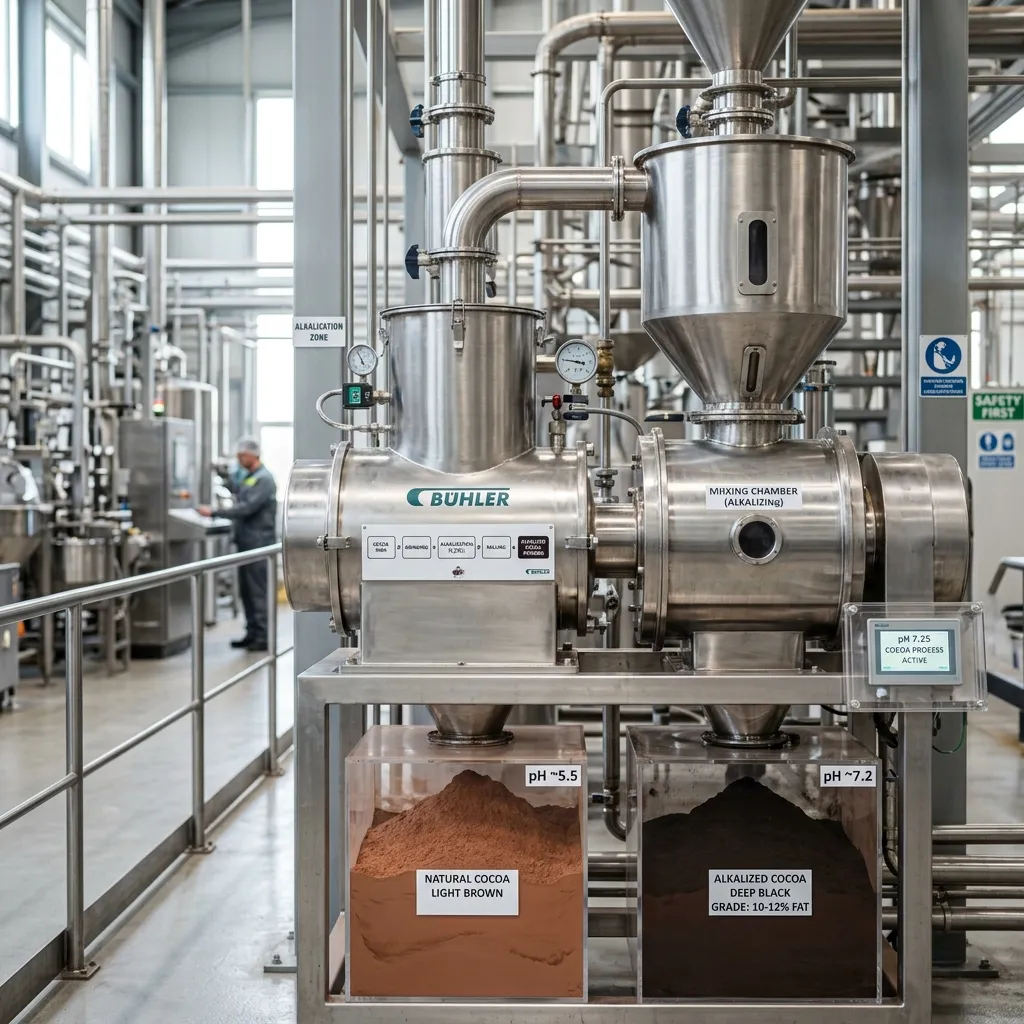
How Alkalization Changes Cocoa Powder Color and pH
A technical look at the Dutch process: how alkalization adjusts the pH, color, and dispersibility of cocoa powder, and what it means when you specify a grade.
Cocoa Powder Benefits: Nutrition and Functional Properties
Explore the science behind cocoa powder. Learn about its antioxidants, fiber content, and its role as a natural functional ingredient for health-focused products.
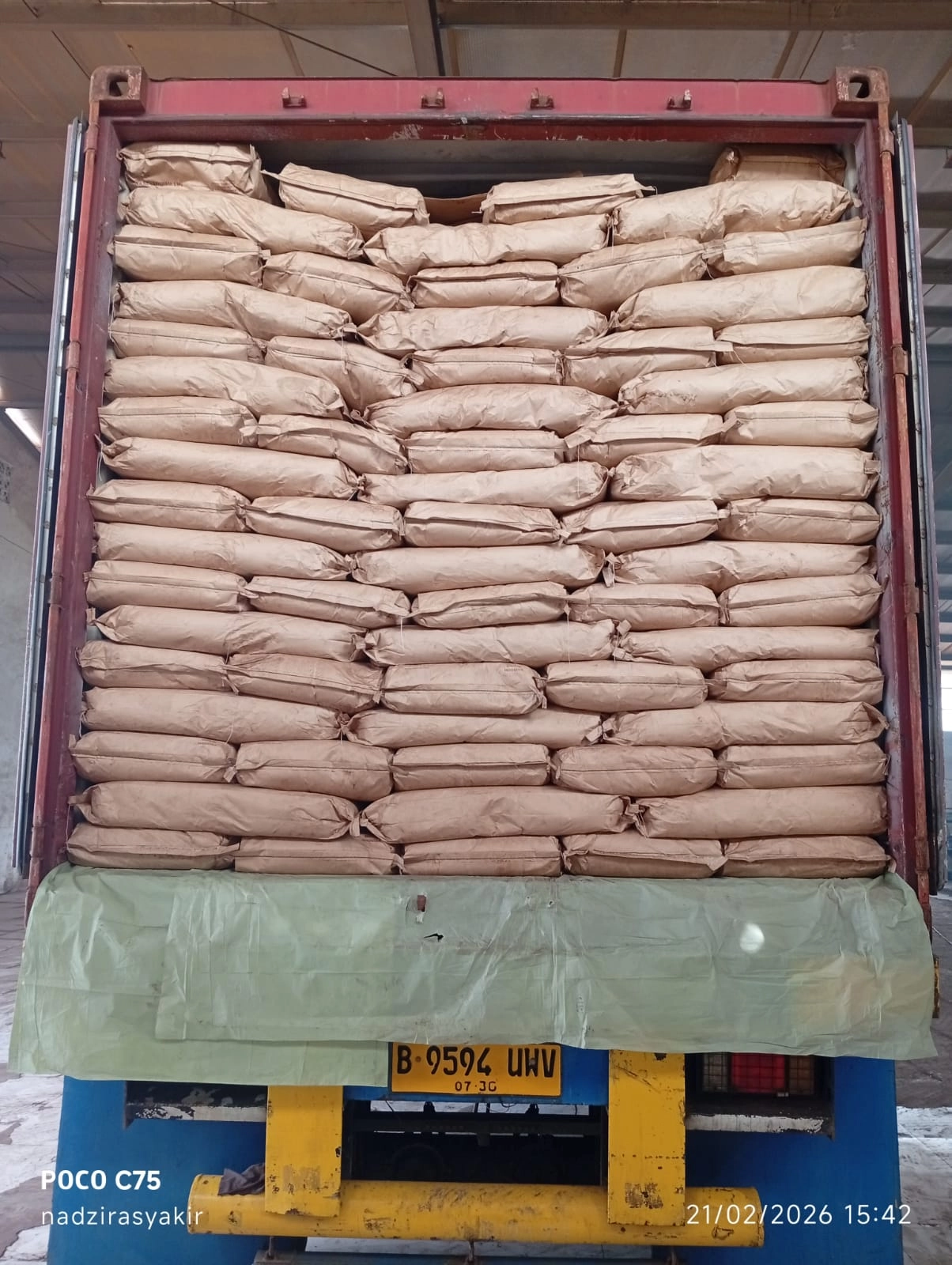
How We Ensure Consistent Supply of Cocoa Powder Year-Round
Learn how our direct Sumatran sourcing, 500 MT production capacity, dedicated per-line QC, and climate-controlled inventory ensure you never face a supply disruption.
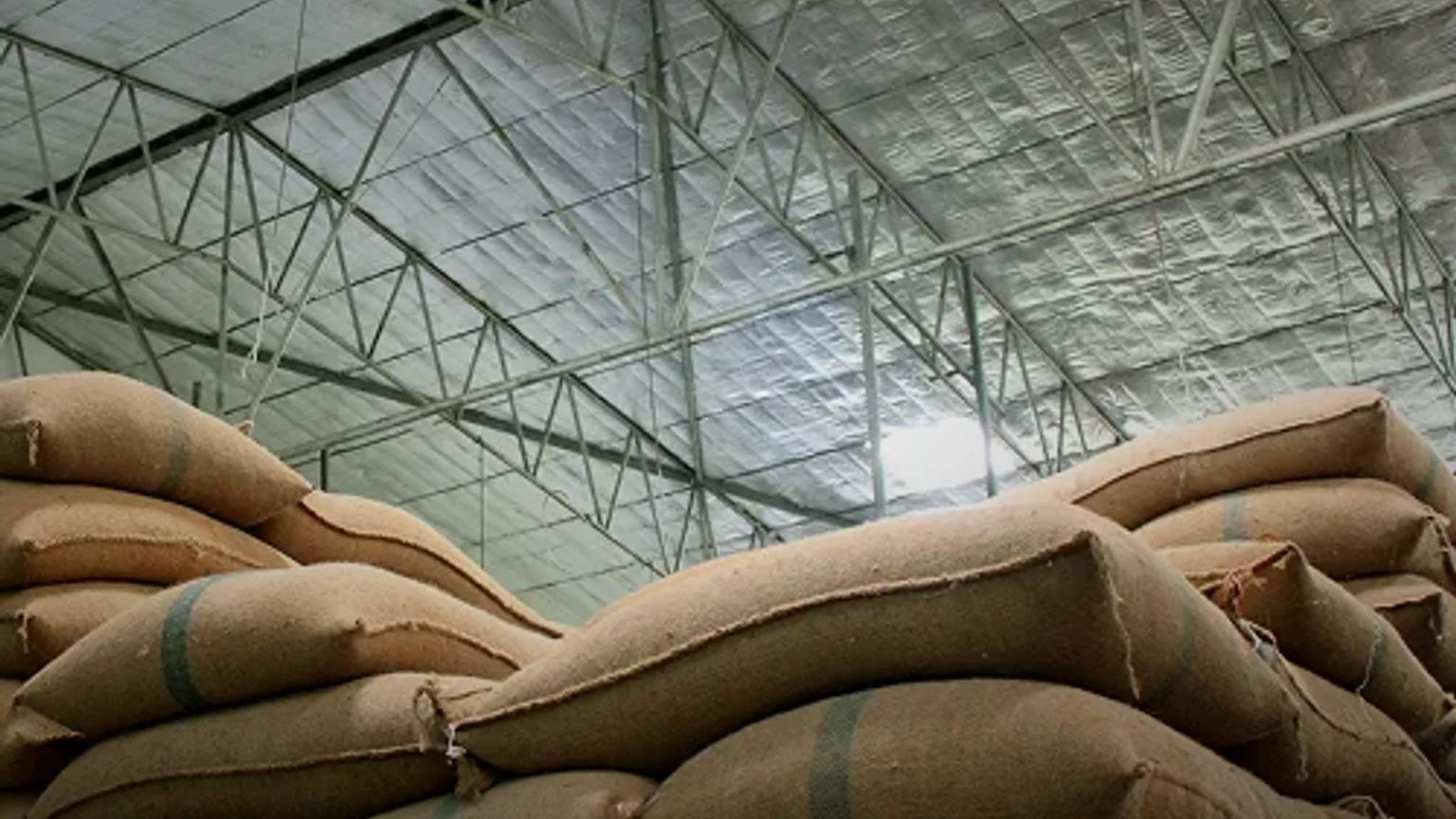
How to Store Cocoa Powder Properly to Maintain Quality
Avoid clumping and rancidity. Read our guide on the industrial storage of cocoa powder to ensure maximum shelf life and flavor preservation.

Indonesia Cocoa Powder: A Growing Supplier for the Global Market
Learn why Indonesia is a strategic choice for bulk cocoa powder sourcing. Explore the country's modern processing, logistical advantages, and sustainability.
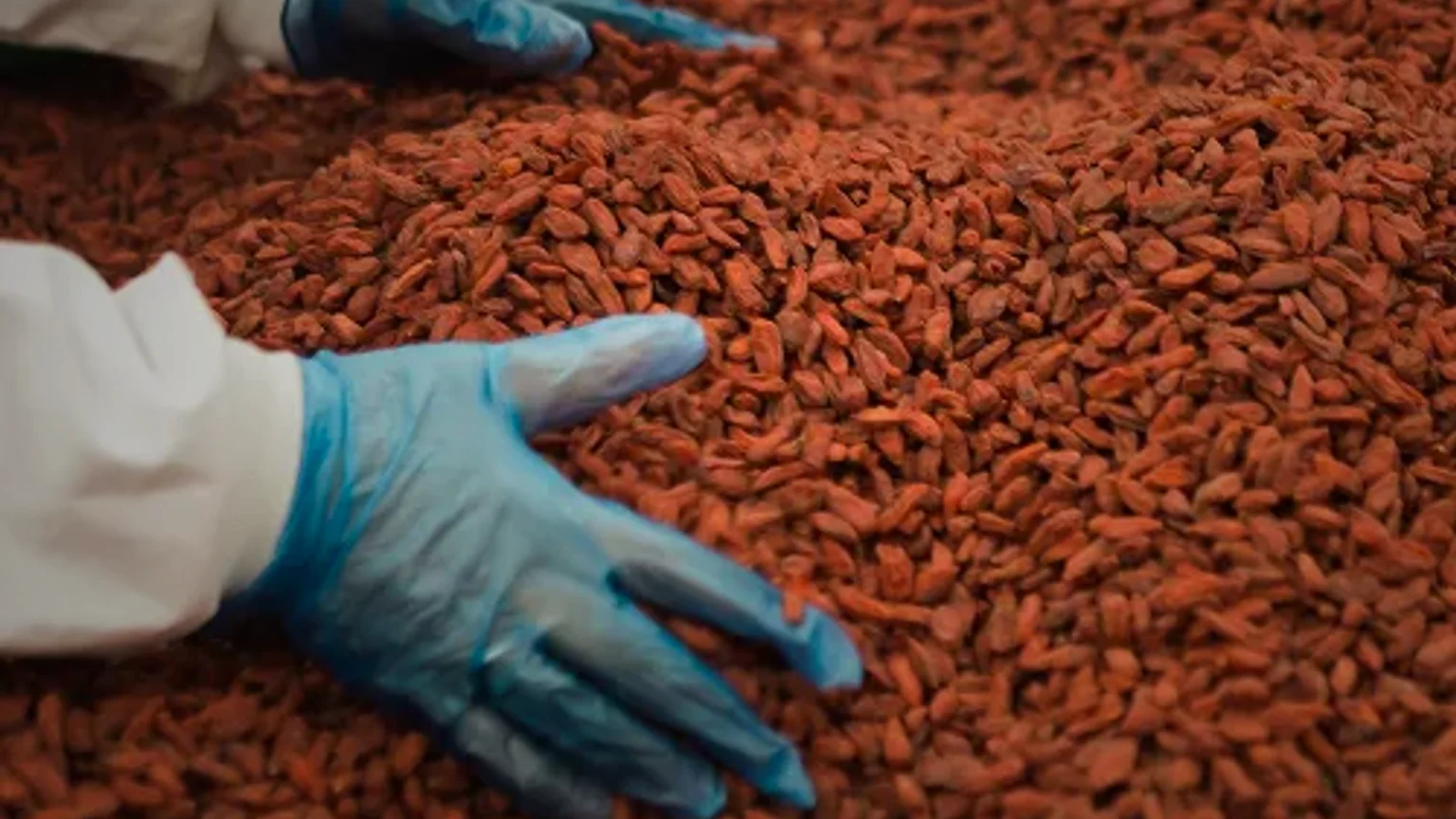
How to Choose High-Quality Cocoa Powder for Your Business
Learn the technical specs to look for when buying bulk cocoa powder, from fat content and pH to microbiological safety and COA documentation.
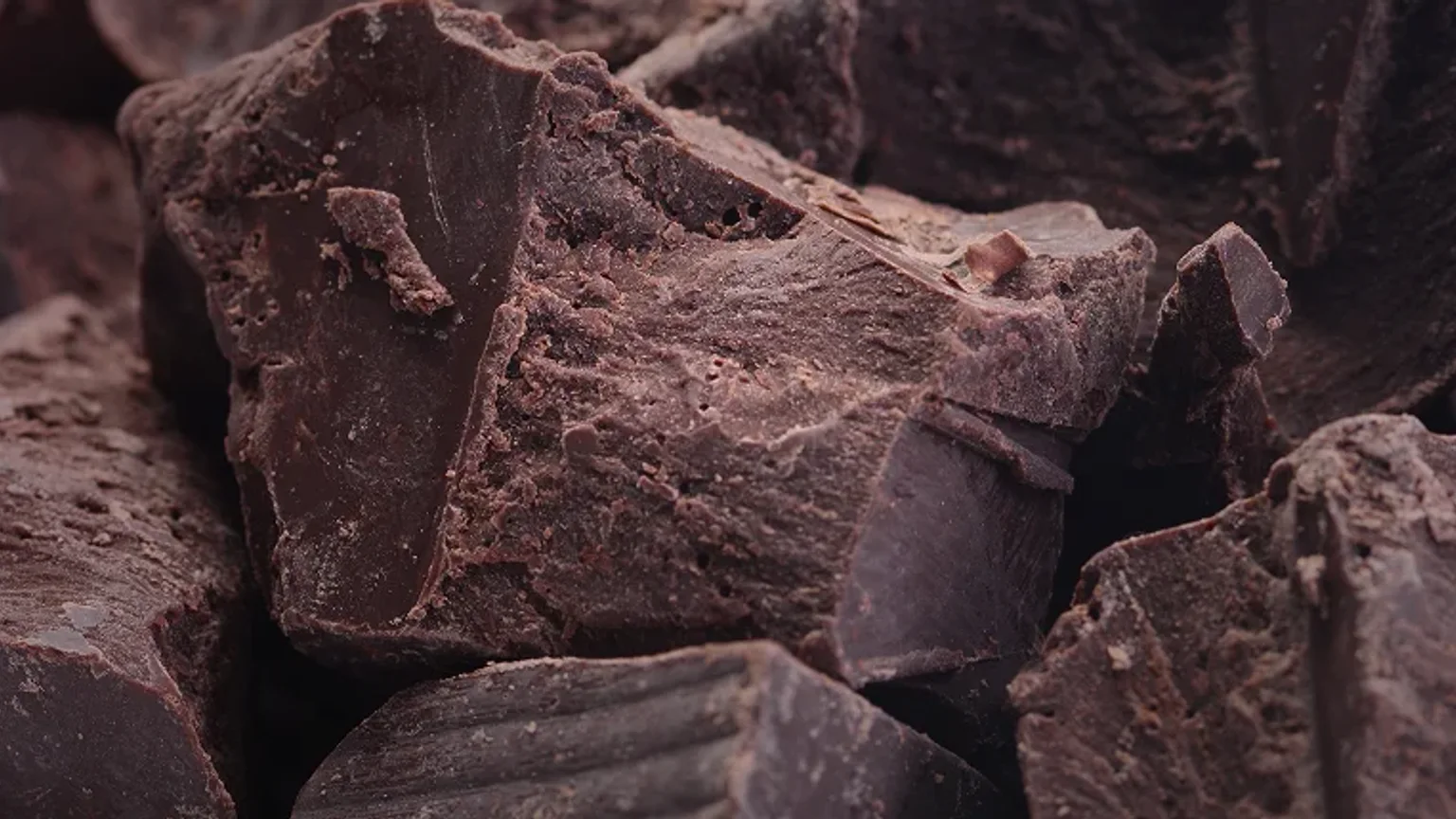
Top Industries That Use Cocoa Powder in Their Products
Explore how industries like bakery, dairy, and beverages use cocoa powder. Learn the technical requirements for each sector in this expert overview.
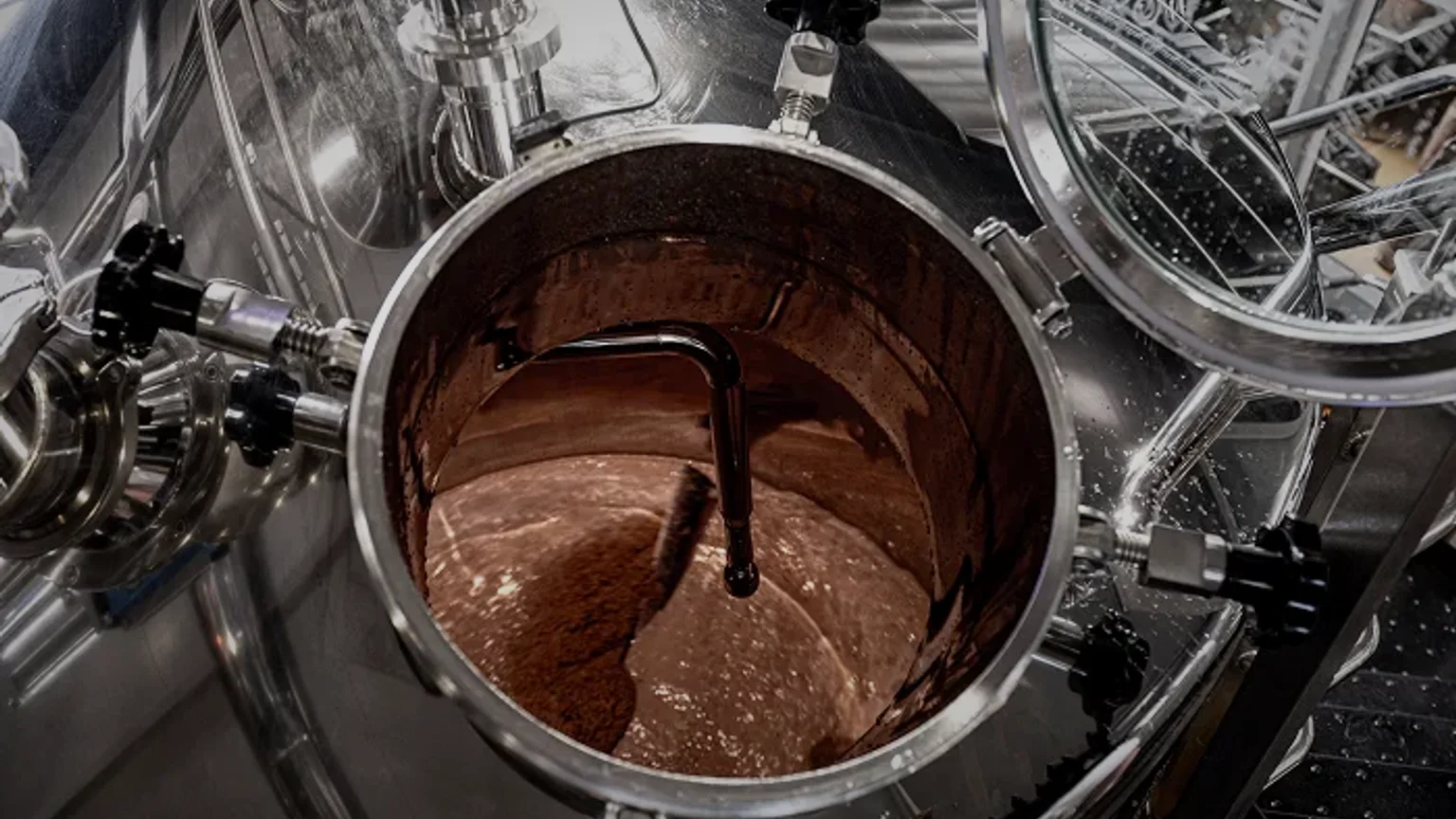
How Cocoa Powder is Made: From Cocoa Beans to Fine Powder
Follow the industrial journey of cocoa from raw bean to fine powder. Learn about roasting, grinding, and hydraulic pressing.

Natural vs Alkalized Cocoa Powder: What’s the Difference?
Understand the functional differences between natural and Dutch-process cocoa powder, including pH levels, color variance, and reactivity in commercial recipes.
What is Cocoa Powder? Types, Processing, and Global Uses
Learn the essentials of cocoa powder: how it’s harvested, the mechanical extraction of cocoa butter, and its diverse uses in commercial food production.

